
ANYbotics ANYmal
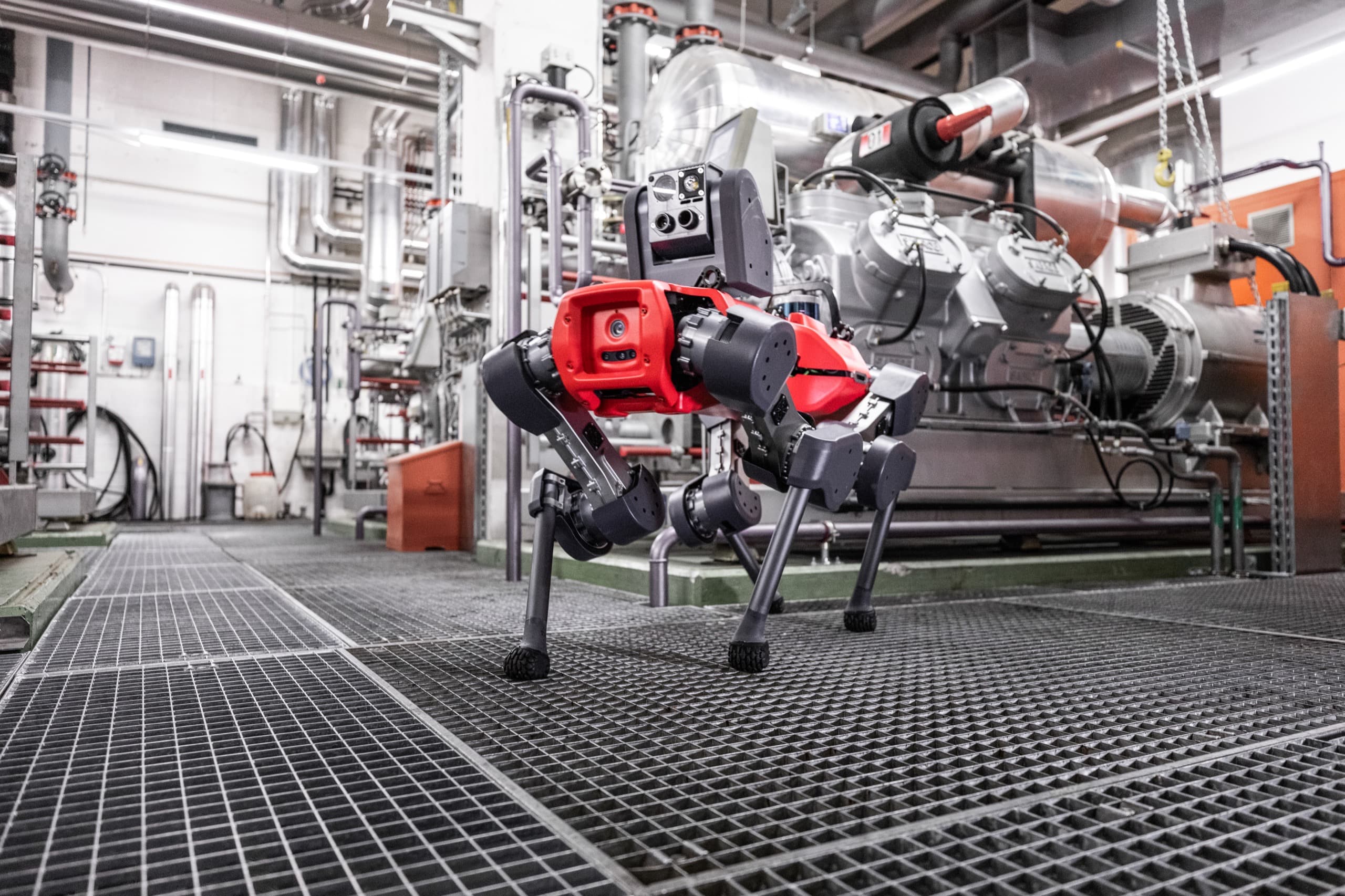
A quadruped robot from ANYbotics designed for inspection tasks in industrial environments, including oil, gas, and mining facilities.
- Freemium
- Autonomous robot hardware, Remote operation software
- AI RoboticsDesignProductivity
- Free plan available
- No credit card
What is ANYbotics ANYmal?
Key features
Quadruped locomotion
four-legged design allows traversal over uneven ground, stairs, and obstacles that wheeled robots cannot manage
Integrated sensor packages
carries cameras, thermal imaging, gas detection, and other monitoring equipment depending on mission requirements
Autonomous and remote operation
can follow pre-programmed inspection routes or be piloted remotely by operators
Industrial-grade durability
designed to withstand dust, vibration, temperature extremes, and other harsh conditions
Data collection and transmission
records inspection footage and sensor data for real-time review or later analysis
Modular payload system
different sensor configurations can be swapped for different inspection tasks
Pros & cons
Advantages
- Reduces worker exposure to dangerous environments like confined spaces, extreme temperatures, and toxic atmospheres
- Accesses tight spots and improved areas that humans cannot safely reach or handle quickly
- Collects consistent, repeatable inspection data without fatigue or human error affecting observation quality
- Operates 24/7 without breaks, speeding up large-scale inspections across sprawling industrial sites
- Lower long-term cost per inspection compared to sending multiple trained personnel into hazardous zones
Limitations
- Significant upfront capital investment; deployment requires technical training and ongoing maintenance expertise
- Battery limitations mean inspection time is restricted; large or extended surveys may require multiple missions or charging stops
- Complex terrain with extreme obstacles, deep water, or unstable surfaces can exceed the robot's physical capabilities
Use cases
Oil and gas pipeline inspection: monitor for corrosion, leaks, and structural integrity without shutting down operations
Mining facility surveying: assess pit walls, equipment condition, and access routes in underground or open-pit mines
Confined space inspection: investigate storage tanks, boilers, and vessel interiors before human entry
Post-incident site assessment: gather data from dangerous or unstable areas after accidents or natural disasters
Thermal and environmental monitoring: detect heat sources, gas emissions, or contamination in large industrial zones
Ready to try ANYbotics ANYmal?
Pricing
Freemium
Contact vendor
Free trials or limited access available; full commercial deployment typically requires licensing agreement with pricing based on specific use case, lease or purchase options, and ongoing software support
Get started with ANYbotics ANYmal
Click through to ANYbotics ANYmal and start using it now.
- Free plan available
- No credit card