
ANYbotics ANYmal
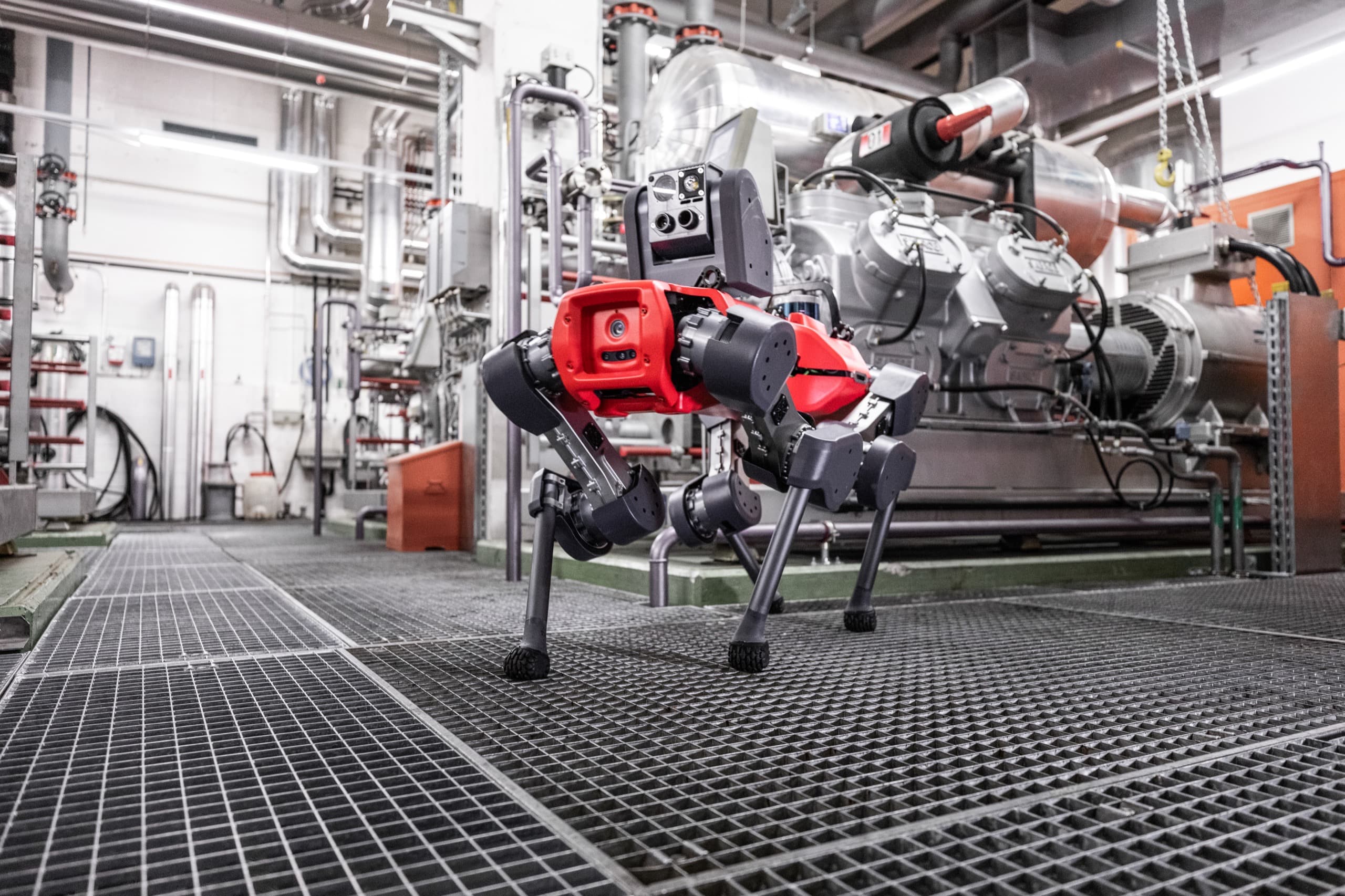
A quadruped robot from ANYbotics designed for inspection tasks in industrial environments, including oil, gas, and mining facilities.
- Freemium
- Web-based operator interface, Mobile app for remote operation, API for integration with existing industrial systems
- AI RoboticsDesignAI Tools for Manufacturing
- Free plan available
- No credit card
What is ANYbotics ANYmal?
Key features
Quadruped locomotion
Four-legged design allows movement across uneven terrain, stairs, and obstacles that wheeled robots struggle with
Integrated sensor payload
Comes equipped with high-quality cameras and sensors ready to deploy without custom configuration
Autonomous and remote operation
Can handle independently using onboard processing or be controlled remotely by an operator
Rugged construction
Built to withstand harsh industrial environments including dust, moisture, and temperature extremes
Data collection and transmission
Captures and streams inspection data in real-time for immediate analysis
Pros & cons
Advantages
- Reduces worker exposure to dangerous environments such as confined spaces, extreme temperatures, or contaminated areas
- Accesses areas that are difficult or impossible for humans to reach safely, including narrow pipes and vertical surfaces
- Provides consistent, repeatable inspections with recorded data for compliance and trend analysis
- Operates continuously without fatigue, speeding up inspection workflows
Limitations
- High upfront investment cost limits accessibility for smaller organisations
- Requires trained operators and technical expertise to deploy effectively and interpret results
- Battery life and range constraints mean inspections must be planned around operational limitations
Use cases
Pipeline and infrastructure inspection in oil and gas facilities
Underground mine surveying and safety assessments
Power plant and utility facility inspections in hazardous areas
Post-disaster site assessment where human access is dangerous
Regular condition monitoring in manufacturing plants with difficult-to-reach equipment
Ready to try ANYbotics ANYmal?
Pricing
Contact for pricing
Custom
ANYbotics operates on a custom pricing model; contact the company directly for quotes based on your specific inspection needs and deployment frequency
Get started with ANYbotics ANYmal
Click through to ANYbotics ANYmal and start using it now.
- Free plan available
- No credit card