
Booke AI
Revolutionizes bookkeeping with AI-driven automation and accuracy.
- Always free
- No credit card
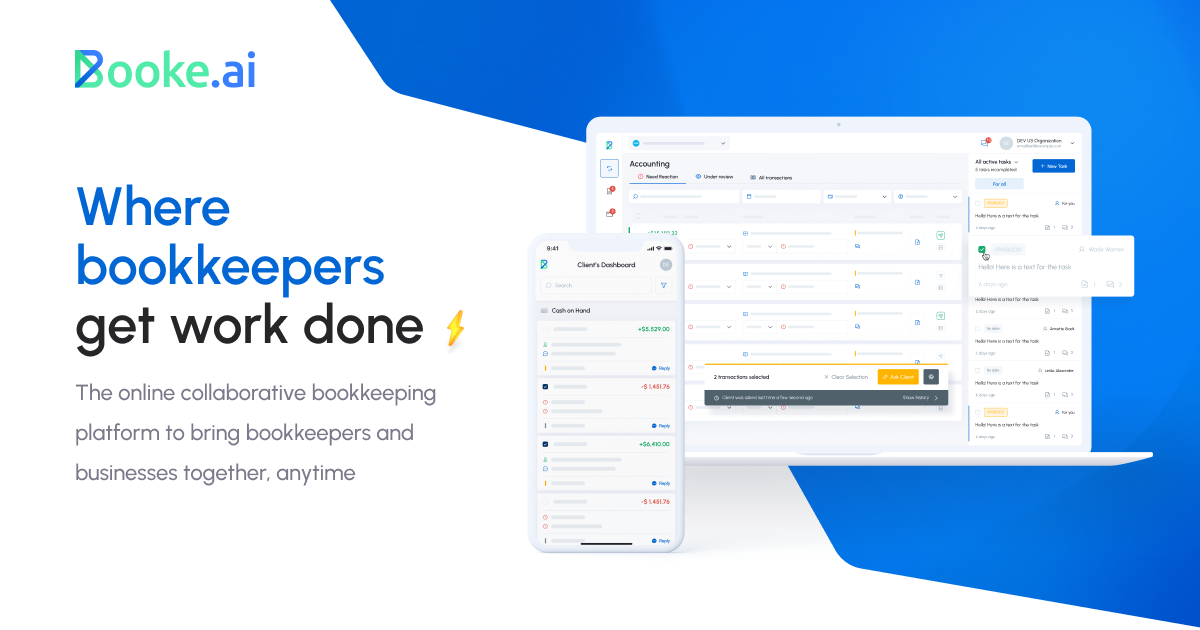
What is Booke AI?
Key features
Automated transaction categorisation
AI sorts and tags transactions into appropriate accounts automatically
Document processing
Scans and extracts financial data from invoices, receipts, and bank statements
Bank reconciliation
Matches transactions across accounts to identify discrepancies
Financial reporting
Generates balance sheets, profit and loss statements, and other standard reports
Multi-currency support
Handles transactions in different currencies for international business
Pros & cons
Advantages
- Free to use, making it accessible for businesses with limited budgets
- Reduces manual data entry time, lowering the risk of human error in financial records
- AI improves categorisation accuracy over time through learning
- Suitable for users without formal accounting training
Limitations
- May require oversight to ensure AI categorisations are correct, particularly for unusual transactions
- Integration capabilities with other software tools may be limited
- Free tier could have restrictions on number of transactions or features compared to paid competitors
Use cases
Small business owners managing monthly financial records without a dedicated accountant
Freelancers automating invoice and expense tracking
Accountants reducing time spent on data entry for multiple clients
Startups seeking cost-effective bookkeeping during early growth stages
Businesses processing high volumes of routine transactions that need categorising
Ready to try Booke AI?
Pricing
Get started with Booke AI
Click through to Booke AI and start using it now.
- Always free
- No credit card