
BrowserAct
BrowserAct is an AI-powered cloud browser automation tool that extracts data and completes tasks from websites using natural language.
- Freemium
- Web, API
- AI Browser ExtensionsData & AnalyticsAI Browser Automation
- Free plan available
- No credit card
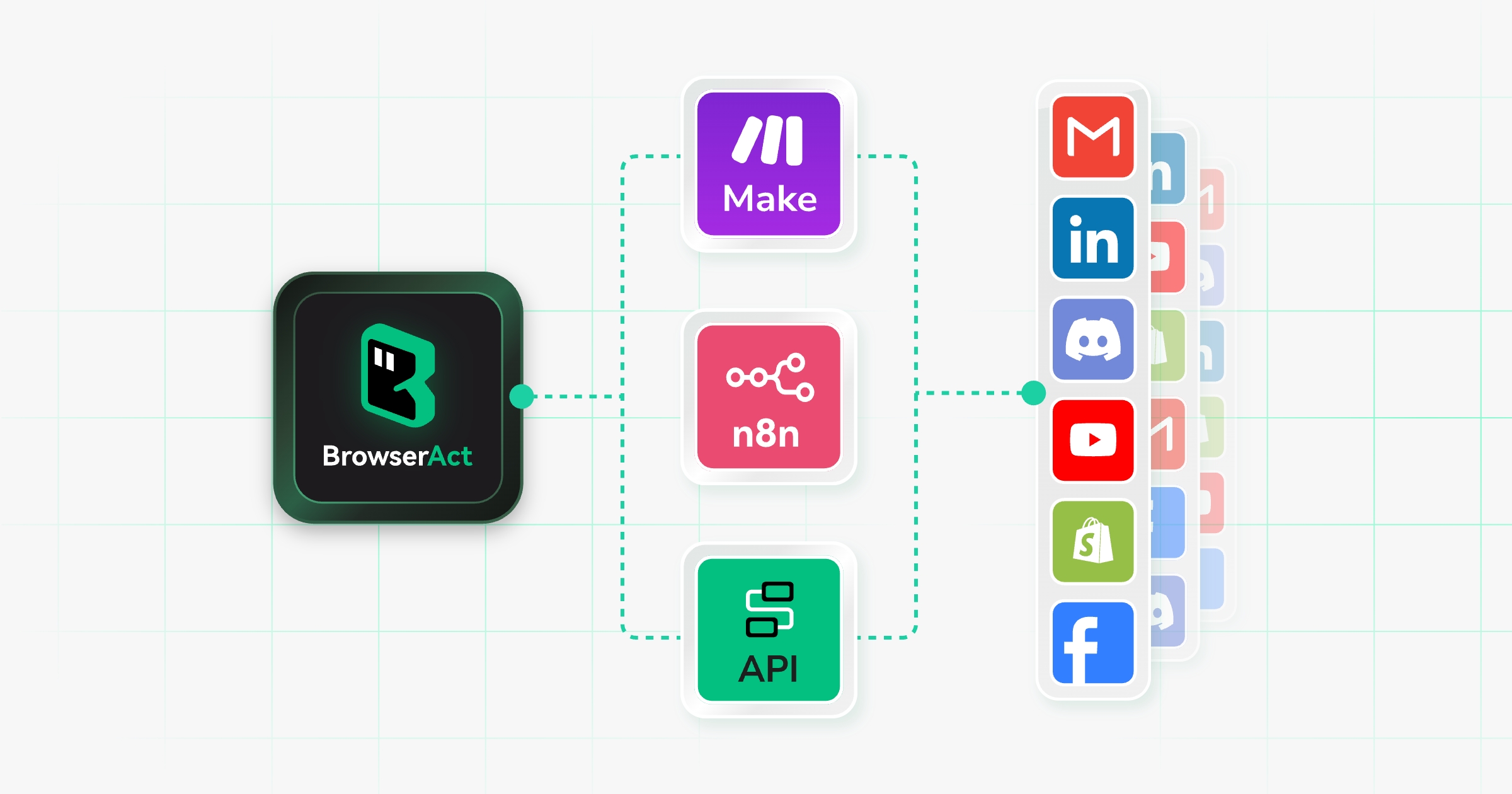
What is BrowserAct?
Key features
Natural language task instructions
describe what you need done in plain English rather than writing code
Data extraction
automatically collect information from websites and export it in structured formats
Form filling and submission
complete web forms, apply to jobs, or submit information across multiple sites
Cloud-based execution
tasks run on remote servers without requiring local installation
Task scheduling
automate repetitive jobs to run on a schedule
Integration capabilities
connect with other tools via API for broader automation workflows
Pros & cons
Advantages
- Low barrier to entry; no coding knowledge required to set up basic automations
- Cloud-based means tasks continue running even if your computer is offline
- Good option for repetitive, rules-based web tasks like data gathering or form submission
- Freemium model lets you test the tool before committing to paid tiers
Limitations
- AI-based task interpretation may occasionally misunderstand complex or ambiguous instructions
- Cloud execution introduces slight latency compared to local automation tools
- May struggle with websites that use heavy JavaScript or frequently change their layout
Use cases
Scraping product prices, reviews, or availability across multiple e-commerce sites
Automating job applications by filling application forms with your details across multiple platforms
Collecting leads from business directories or classified listings
Monitoring competitor websites and extracting changes to prices or product information
Automating routine tasks like downloading reports, updating spreadsheets, or submitting forms to multiple services
Ready to try BrowserAct?
Pricing
Paid tiers
Varies (specific pricing not publicly detailed)
Higher task quotas, priority execution, and additional features for regular users
Get started with BrowserAct
Click through to BrowserAct and start using it now.
- Free plan available
- No credit card