
Cherre Real Estate AI
AI-powered real estate data platform connecting property data across sources for institutional investors.
- Always free
- No credit card
What is Cherre Real Estate AI?
Key features
Data aggregation
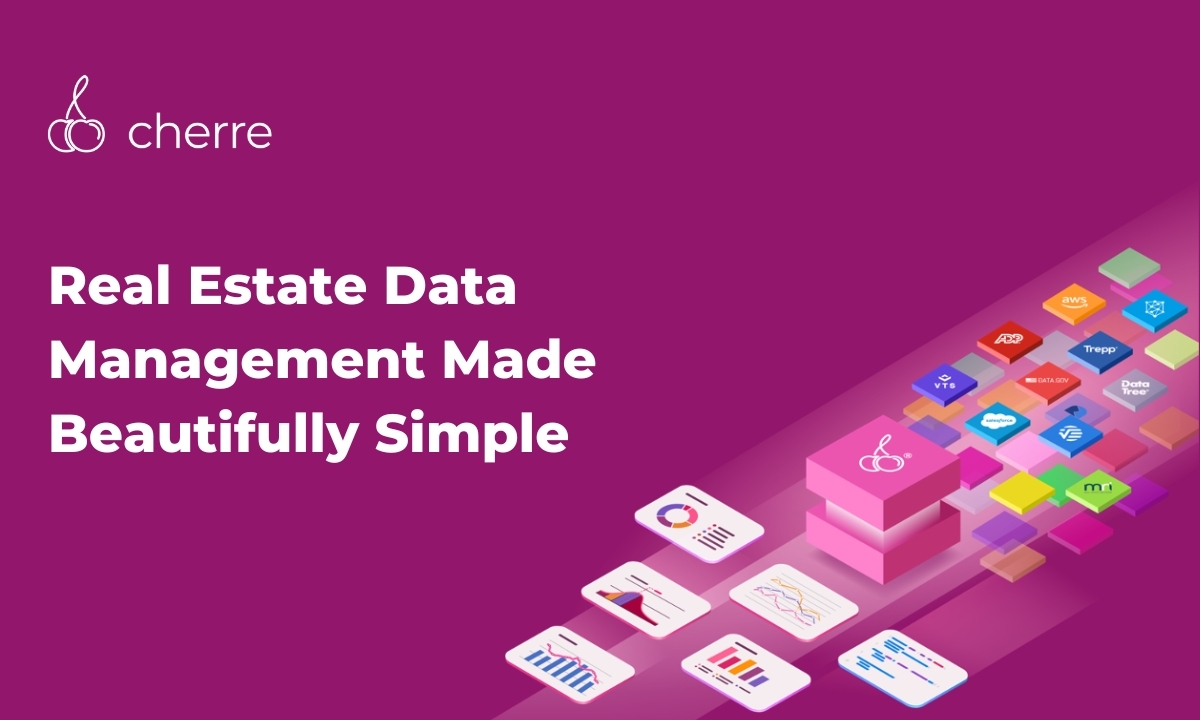
combines property information from public records, MLS systems, and other sources into one platform
Record matching
uses AI to identify and link duplicate records across different data sources
Standardised formatting
normalises property data so information is consistent and comparable across datasets
Market analysis tools
allows users to filter, sort, and analyse property data by location, asset type, and other criteria
API access
enables developers to pull standardised property data into their own applications and workflows
Bulk data export
supports downloading large datasets for further analysis in spreadsheets or BI tools
Pros & cons
Advantages
- Free access removes barriers to entry for smaller investors and individual researchers
- Consolidates fragmented property data, saving time on manual research and cross-referencing
- AI-powered matching reduces errors from duplicate or conflicting records
- Useful for portfolio analysis, market comparison, and due diligence across multiple properties
Limitations
- Data quality depends on the underlying sources; gaps or inaccuracies in public records will carry through
- Limited to properties covered by integrated data sources; coverage may vary by region
- Free tier likely has restrictions on volume, refresh frequency, or geographic coverage compared to paid alternatives
Use cases
Institutional investors analysing portfolios across multiple markets to identify trends and outliers
Real estate analysts preparing market reports and comparing property valuations
Due diligence teams verifying property records and ownership information before acquisition
Developers or fund managers evaluating deal flow and screening investment opportunities
Researchers studying real estate market behaviour using standardised, cleaned datasets
Ready to try Cherre Real Estate AI?
Pricing
Free
Free
Access to core data aggregation and matching features with standard query limits; suitable for small-scale analysis and exploration
Get started with Cherre Real Estate AI
Click through to Cherre Real Estate AI and start using it now.
- Always free
- No credit card