
Cherre Real Estate Data
AI-powered real estate data platform that connects and analyzes disparate property data at scale.
- Always free
- No credit card
What is Cherre Real Estate Data?
Key features
Data integration
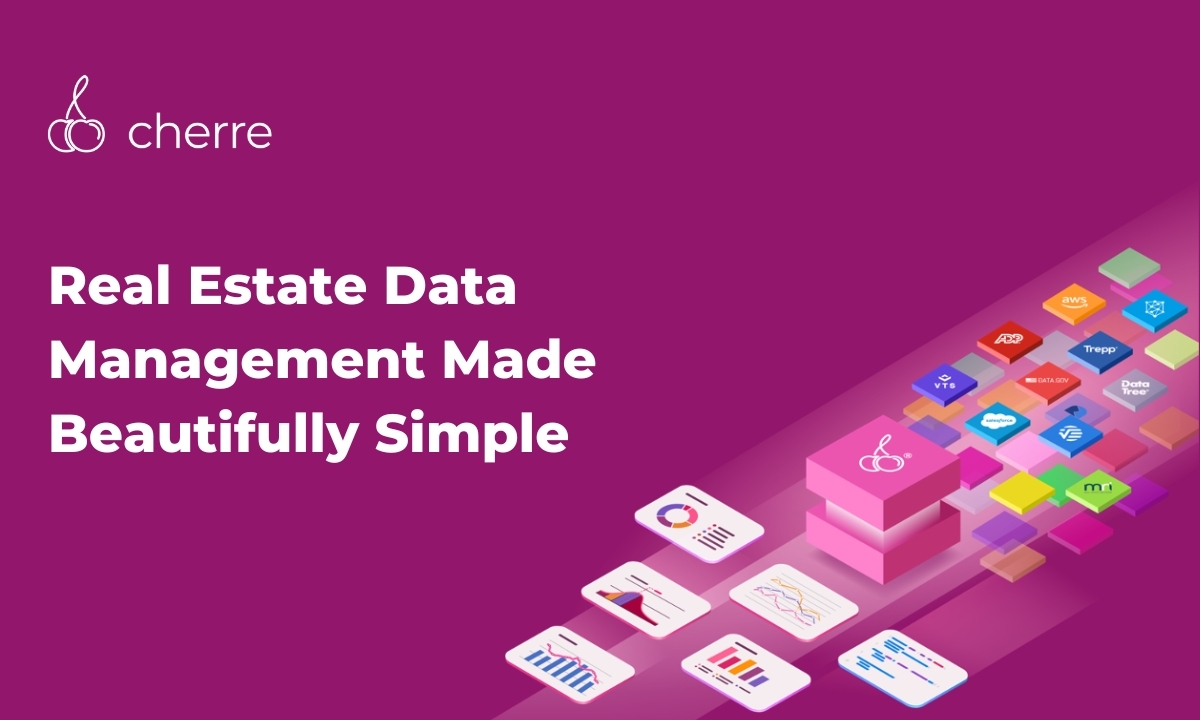
Connects to multiple property data sources including public records, MLS feeds, and other databases to create a unified dataset
AI-powered analysis
Uses machine learning to identify patterns, inconsistencies, and insights within property datasets
Bulk processing
Handles large volumes of property records simultaneously rather than requiring manual lookups
Property comparison
Tools to analyse and compare properties across different metrics and locations
Data validation
Flags inconsistencies and missing information in property records to improve data quality
Customisable workflows
Allows you to set up automated processes for common real estate analysis tasks
Pros & cons
Advantages
- Saves significant time by eliminating manual data entry from multiple sources
- Provides a single source of truth for property information across different databases and regions
- Free tier makes it accessible for individuals and smaller organisations to test the platform
- Handles scale well; can process thousands of properties without proportional slowdown
Limitations
- Data quality and completeness depend on source databases; some regions or property types may have gaps
- Learning curve for setting up custom workflows and understanding how to best structure your data
- Free tier may have limitations on volume, number of analyses, or which data sources are available
Use cases
Portfolio analysis: Review hundreds of properties simultaneously to identify patterns in value, condition, or market trends
Investment due diligence: Gather and cross-reference property data before making purchasing decisions
Market research: Compare property characteristics and pricing across different neighbourhoods or cities
Data cleaning: Standardise and validate property records across multiple sources before using them in other systems
Bulk appraisal or valuation: Analyse comparable properties at scale to support pricing decisions
Ready to try Cherre Real Estate Data?
Pricing
Free
Free
Access to core data integration and analysis features; likely includes basic property dataset size limits and may exclude premium data sources
Get started with Cherre Real Estate Data
Click through to Cherre Real Estate Data and start using it now.
- Always free
- No credit card