Coach
Create ML models effortlessly, train and optimize them, and gain insights using built-in tools and integrations.
- Freemium
- Web, API
- Data & AnalyticsDesignDeveloper Tools
- Free plan available
- No credit card
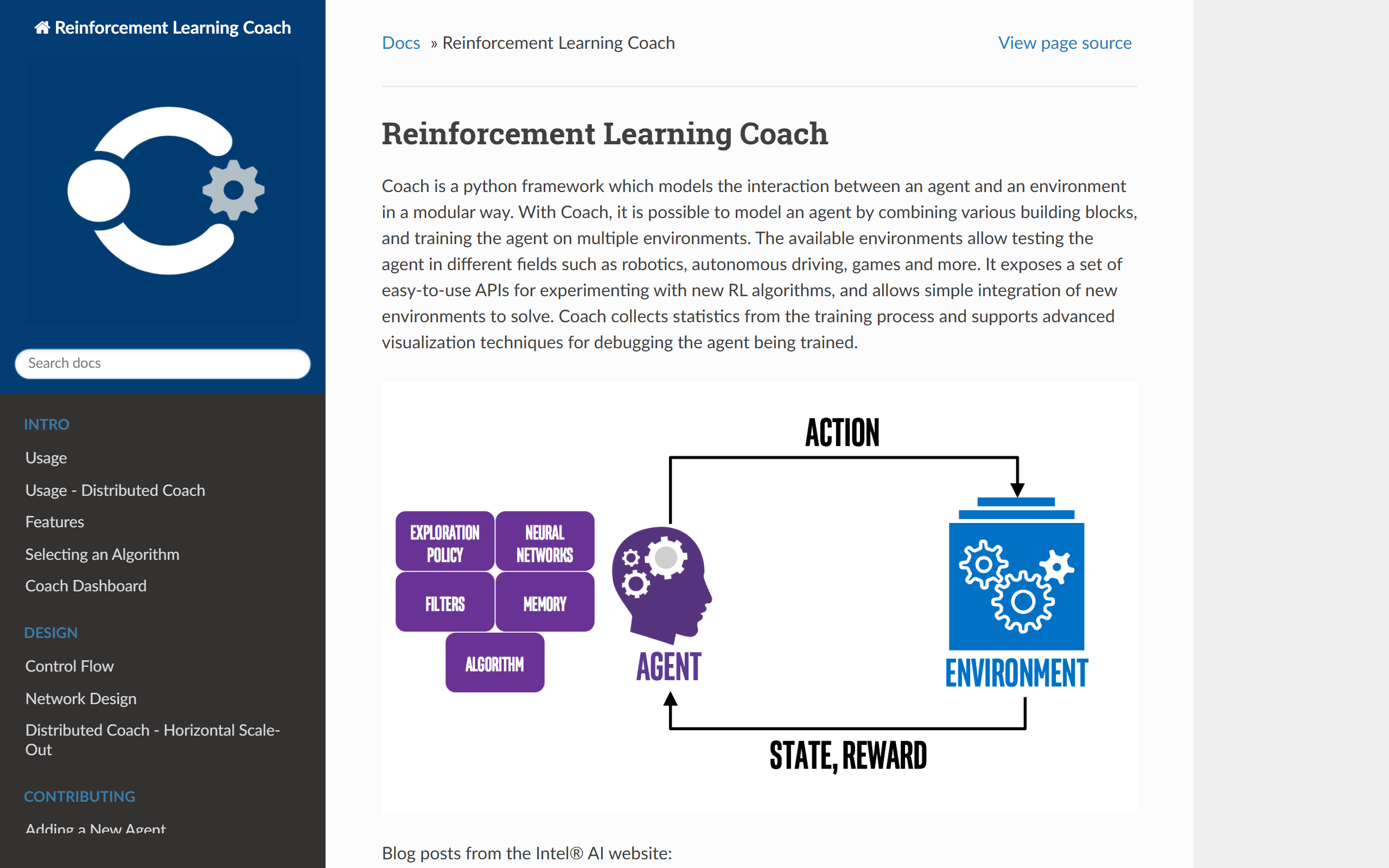
What is Coach?
Key features
Model creation
Templates and utilities for setting up common ML architectures quickly
Training and optimisation
Built-in functions for hyperparameter tuning and model evaluation
Insights and analysis
Tools to visualise training progress and model performance metrics
Framework integrations
Support for popular ML libraries and workflows
Open-source codebase
Full access to source code on GitHub for customisation and contribution
Experiment tracking
Record and compare results across different model runs
Pros & cons
Advantages
- Free and open-source, so no licensing costs and full transparency
- Reduces boilerplate code and setup time for standard ML workflows
- Built-in tools for analysis mean fewer external dependencies needed
- Works with existing ML frameworks rather than forcing a proprietary approach
Limitations
- As an open-source project, community support is available but professional support is limited
- Requires some technical knowledge to set up and configure effectively
- Documentation quality varies depending on which features you need
Use cases
Rapid prototyping of machine learning models during the research phase
Training and tuning models on tabular data and structured datasets
Experimenting with multiple model architectures to compare performance
Building reproducible ML workflows that you can version control and share
Learning machine learning concepts through a practical, code-first approach
Ready to try Coach?
Pricing
Get started with Coach
Click through to Coach and start using it now.
- Free plan available
- No credit card