
Cozmo Robot
Cozmo is an innovative AI-powered robotic companion designed to engage and educate users of all ages. Originally developed by Anki and relaunched by Digital Dream Labs, Cozmo offers interactive compan
- Freemium
- iOS, Android, Python SDK (cross-platform)
- AI Tools for RoboticsDesignUI/UX Design
- Free plan available
- No credit card
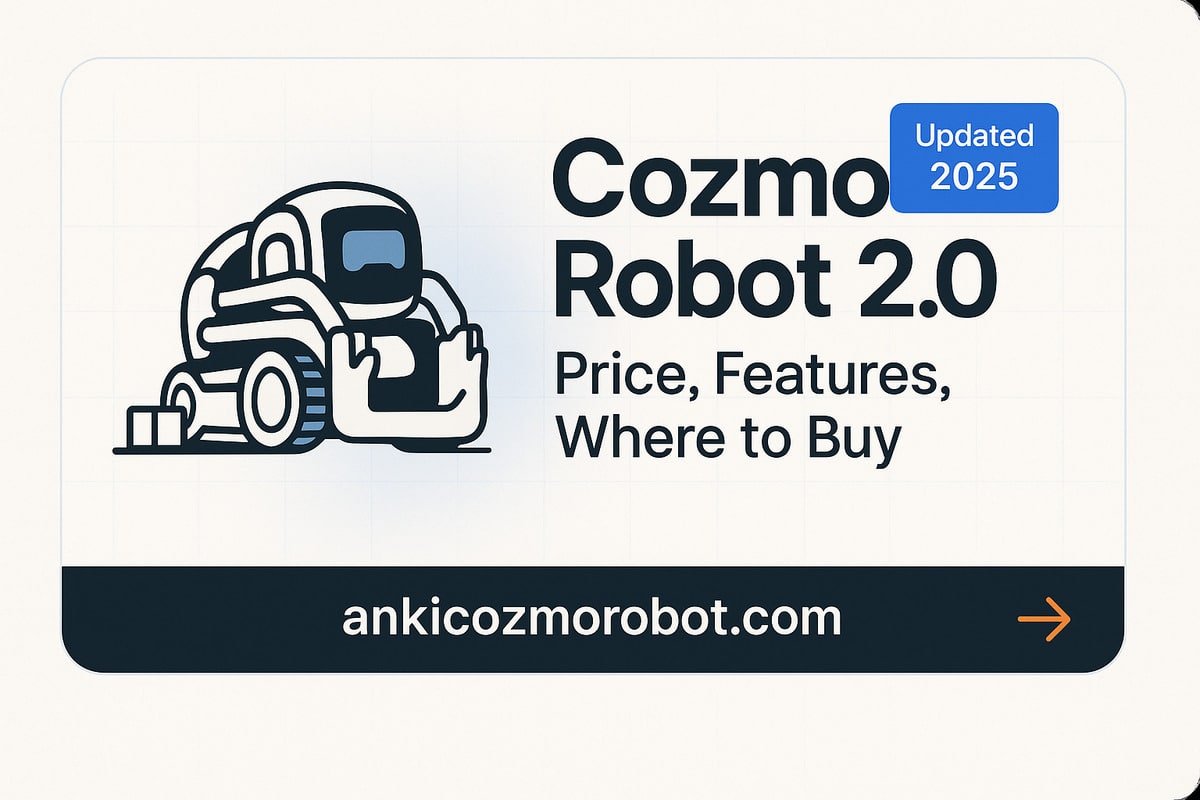
What is Cozmo Robot?
Key features
Face recognition and emotion expression
Cozmo recognises people and displays feelings through its animated eyes and movements
Interactive games with smart cubes
The robot plays games using physical cube accessories that respond to its touch
Block-based coding interface
Drag-and-drop visual programming for beginners to create robot behaviours
Python SDK support
Advanced users can write code directly using the Python SDK for deeper customisation
Autonomous navigation
Cozmo moves around independently, avoiding obstacles and exploring its environment
Mobile app connectivity
Pairs with iOS and Android apps to control the robot and monitor its activities
Pros & cons
Advantages
- Teaches programming concepts through play, making coding feel less abstract for younger learners
- Physical robot provides tangible feedback, unlike purely digital coding tools
- Works offline after initial setup, reducing dependency on continuous Wi-Fi
- Supports progression from beginner blocks to advanced Python, suitable for different skill levels
- Reasonably priced entry point to robotics compared to industrial or educational robot kits
Limitations
- Battery life is limited, requiring regular charging between sessions
- Ecosystem is smaller than mainstream educational robots; fewer third-party add-ons and resources available
- Requires smartphone or tablet to function fully; lacks standalone operation
Use cases
Teaching children aged 8+ the basics of programming and robotics
STEM education in schools as an engaging classroom tool
Introducing coding logic through play before moving to text-based languages
Hobbyists interested in exploring AI, facial recognition, and robot behaviour
Learning Python programming with real-world hardware feedback
Ready to try Cozmo Robot?
Pricing
Premium
Pricing varies by region
Extended features, additional game content, and advanced SDK access (specific pricing available on official website)
Get started with Cozmo Robot
Click through to Cozmo Robot and start using it now.
- Free plan available
- No credit card