
Disco Chess
Chess tactics trainer that automates the Woodpecker Method
- Freemium
- Web
- AI Game & Strategy TrainersEducation
- Free plan available
- No credit card
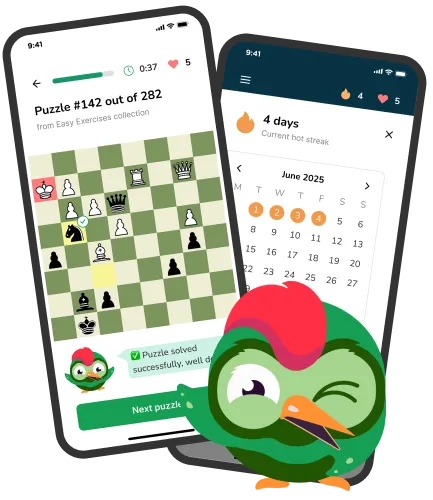
What is Disco Chess?
Key features
Automated Woodpecker Method implementation
Tracks and schedules repeated exposure to the same tactical positions
Difficulty progression
Problems increase in complexity across repetitions to prevent memorisation
Performance-based scheduling
Algorithm determines when you should revisit each position based on accuracy and response time
Tactics database
Collection of puzzles spanning multiple difficulty levels
Freemium access
Core features available without payment
Pros & cons
Advantages
- Efficient learning approach grounded in proven methodology rather than arbitrary puzzle sequences
- Reduces the cognitive load of deciding which positions to study again
- Helps build genuine tactical intuition through spaced repetition rather than one-off problem solving
- Free tier allows meaningful practice without subscription commitment
Limitations
- Requires patience with repetitive practice, which some players find less engaging than fresh puzzles
- Effectiveness depends on consistent usage; sporadic practice undermines the spaced repetition model
Use cases
Intermediate players aiming to reach a higher rating by strengthening tactical calculation
Chess students who want to apply the Woodpecker Method without manual scheduling
Players preparing for tournaments who need reliable, systematic tactical improvement
Students working with coaches who recommend the Woodpecker Method as part of their training plan
Ready to try Disco Chess?
Pricing
Premium
Pricing not publicly specified
Likely includes expanded puzzle database, advanced analytics, or additional features beyond free tier
Get started with Disco Chess
Click through to Disco Chess and start using it now.
- Free plan available
- No credit card