
Dubformer
Dubformer is an AI dubbing and media localization platform built for studios, streamers, and localization teams, delivering emotional, broadcast‑quality dubbing with its Emotion Transfer technology ac
- Freemium
- Web, API
- VideoWritingVoice & Speech
- Free plan available
- No credit card
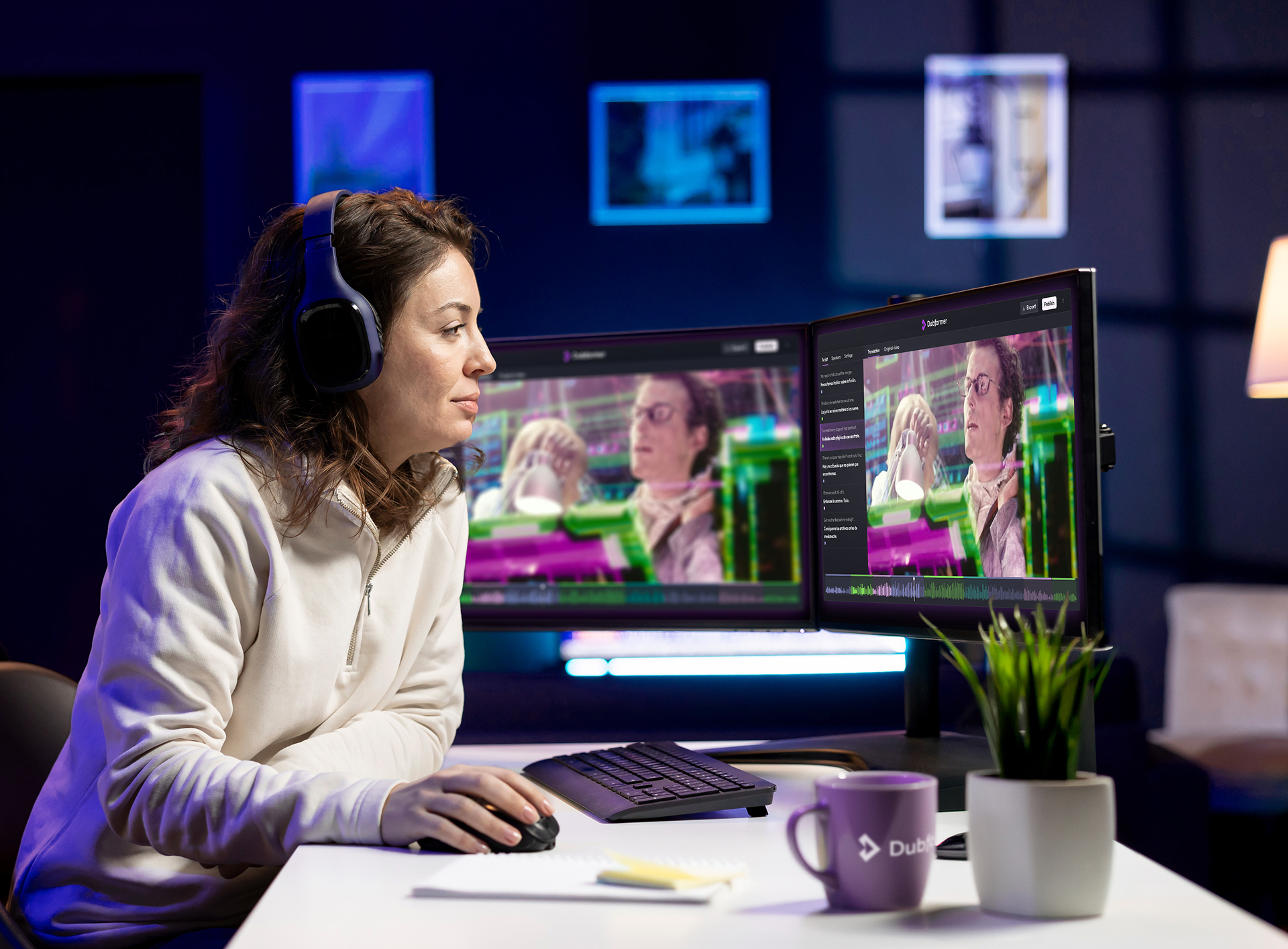
What is Dubformer?
Key features
Emotion Transfer technology
AI voices that attempt to match the tone and emotional delivery of the original performance
70+ languages with 1,000+ voice options
broad language and voice selection for different regions and character types
End-to-end studio workflow
handles everything from voice generation to audio mixing within one platform
API access
integrate dubbing into your own applications or workflows
Hybrid quality control
option to combine AI generation with human review and adjustment
Broadcast-standard output
maintains EBU R128/LUFS compliance for professional distribution
Pros & cons
Advantages
- Significantly faster turnaround than traditional dubbing; you can generate multiple language versions in hours rather than weeks
- Much lower cost than hiring professional voice actors and dubbing studios for each language
- Preserves timing and lip-sync to the original video automatically
- Large selection of voices and languages means you can reach diverse global markets
- Flexibility to use AI alone or combine with human editors depending on your quality requirements
Limitations
- AI voices, regardless of quality, may not feel as natural or emotionally detailed as experienced human voice actors, particularly for dramatic or character-driven content
- Emotion transfer technology is still improving; complex emotional performances or cultural subtleties may not always translate accurately
- Requires uploading video and audio to their platform, which may raise concerns for some organisations about data handling or confidentiality
Use cases
Streaming platforms localising series and films into multiple languages quickly to expand to new markets
Documentary producers or news organisations needing to reach international audiences without major cost increases
YouTube creators and independent filmmakers scaling content distribution across languages
Video game studios localising dialogue and cinematic cutscenes
Corporate training or marketing video producers creating multilingual versions for different regions
Ready to try Dubformer?
Pricing
Pro
Contact for pricing
Full access to all languages and voices, API integration, hybrid quality control options
Enterprise
Contact for pricing
Custom workflows, dedicated support, volume discounts, advanced quality control
Get started with Dubformer
Click through to Dubformer and start using it now.
- Free plan available
- No credit card