
Ebox ERP
All-in-One Field Service ERP for Maintenance Teams.f
- Free
- Web, iOS, Android
- Customer SupportAI Work Order & Field Operations ManagementImage Generation
- Always free
- No credit card
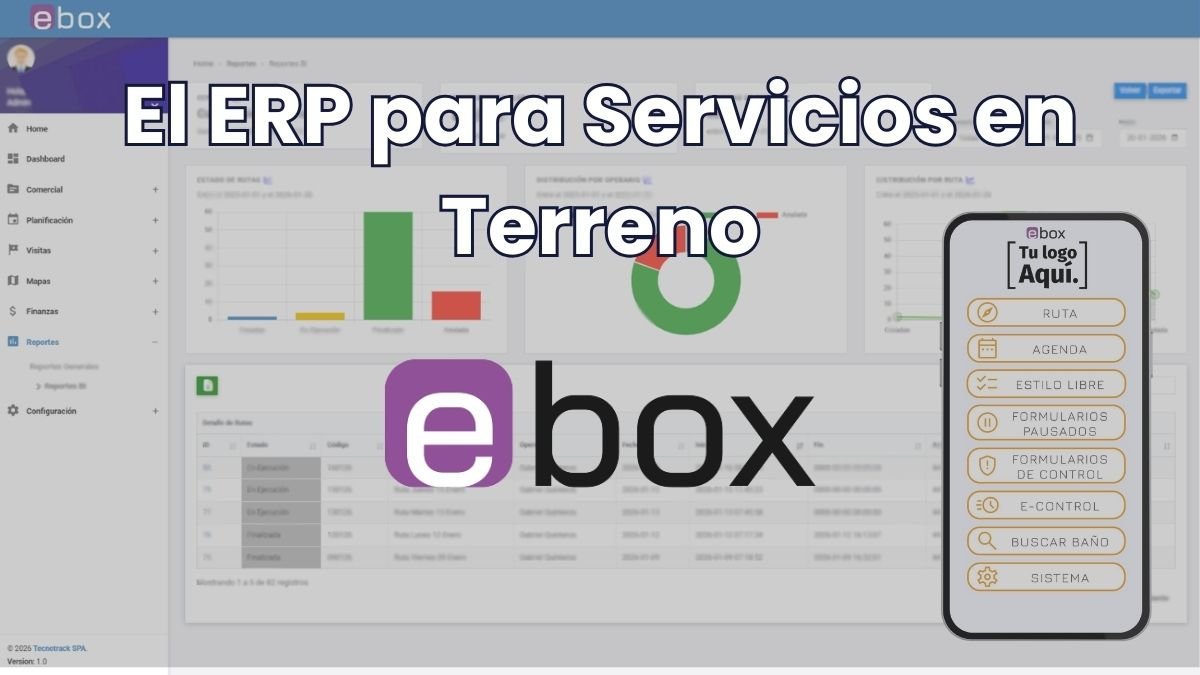
What is Ebox ERP?
Key features
Work order and job scheduling
Create, assign, and track maintenance tasks with due dates and priority levels
Technician dispatch and routing
Organise which team members handle which jobs and optimise visit schedules
Asset and equipment tracking
Maintain records of equipment history, maintenance cycles, and service records
Parts and inventory management
Track spare parts availability and usage across jobs
Mobile access for field teams
Allow technicians to view job details, update status, and log time from site
Reporting and job history
Generate summaries of completed work and maintain audit trails for compliance
Pros & cons
Advantages
- Free to use, making it accessible for small teams with limited budgets
- Purpose-built for field service rather than adapted from general business software
- Centralises job, technician, and equipment information in one place
- Reduces reliance on paper forms and manual scheduling
Limitations
- Limited information available about integrations with other software or third-party systems
- Free model may mean limited support channels or slower response times
- Scalability for larger enterprises or complex multi-branch operations is unclear
Use cases
HVAC maintenance companies scheduling regular inspections and repairs across multiple customer sites
Facilities teams managing preventative maintenance for building systems and equipment
Industrial equipment maintenance departments coordinating technician visits and parts ordering
Property management firms handling repairs and maintenance requests from tenants
Utility companies organising field technician visits for meter readings and service calls
Ready to try Ebox ERP?
Pricing
Free
Free
Access to core field service ERP functionality including work orders, scheduling, asset tracking, and team coordination
Get started with Ebox ERP
Click through to Ebox ERP and start using it now.
- Always free
- No credit card