
Email Tracker
Discover Email Tracker pricing, reviews, and alternatives. Updated for April 2026.
- Freemium
- Web, Chrome Extension, Gmail integration, Outlook integration
- Email ManagementBusiness
- Free plan available
- No credit card
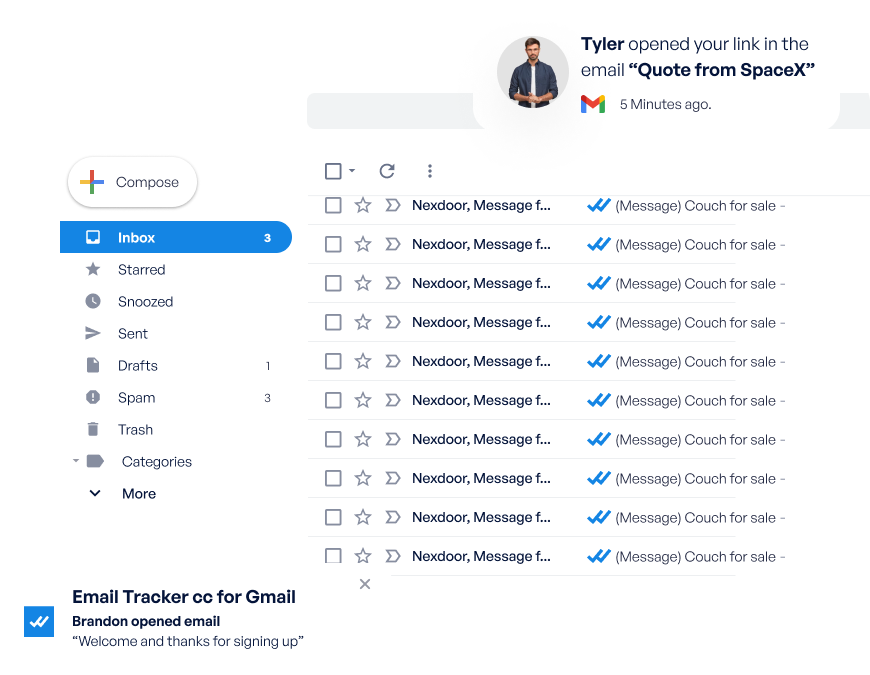
What is Email Tracker?
Key features
Email open tracking
receive notifications when recipients open your messages
Read count monitoring
see how many times an email has been opened
Browser extension integration
add tracking directly from Gmail or Outlook without leaving your inbox
Freemium access
basic tracking features available at no cost with optional paid upgrades
Link click tracking
optional ability to track clicks on links within your emails
Pros & cons
Advantages
- Free tier available, so you can test the core functionality without payment
- Easy integration with Gmail and Outlook; minimal setup required
- Useful for sales and recruitment workflows where you need to know if emails were read
- Non-intrusive; doesn't require special formatting or extra steps to use
Limitations
- Privacy concerns: tracking pixels can raise ethical questions and some email providers block them
- Unreliable in some cases: certain email clients, privacy tools, and ad blockers prevent tracking from working
- Limited insight: knowing an email was opened doesn't tell you if it was actually read or understood
Use cases
Sales teams following up on proposals and checking whether prospects have engaged with materials
Recruiters tracking whether job candidates have opened offer letters or interview details
Freelancers and agencies confirming that clients have received and read proposals
Marketing teams validating email campaign performance at a granular level
Job applicants gaining confidence that hiring managers have reviewed their applications
Ready to try Email Tracker?
Pricing
Paid plans
Pricing varies by tier
Increased tracking limits, advanced analytics, priority support, and additional integrations. Exact pricing and tier names should be verified on the website.
Get started with Email Tracker
Click through to Email Tracker and start using it now.
- Free plan available
- No credit card