
Fluent.ai
Build language applications, develop user-responsive apps, and create natural language interfaces effortlessly.
- Freemium
- Web, API
- Design
- Free plan available
- No credit card
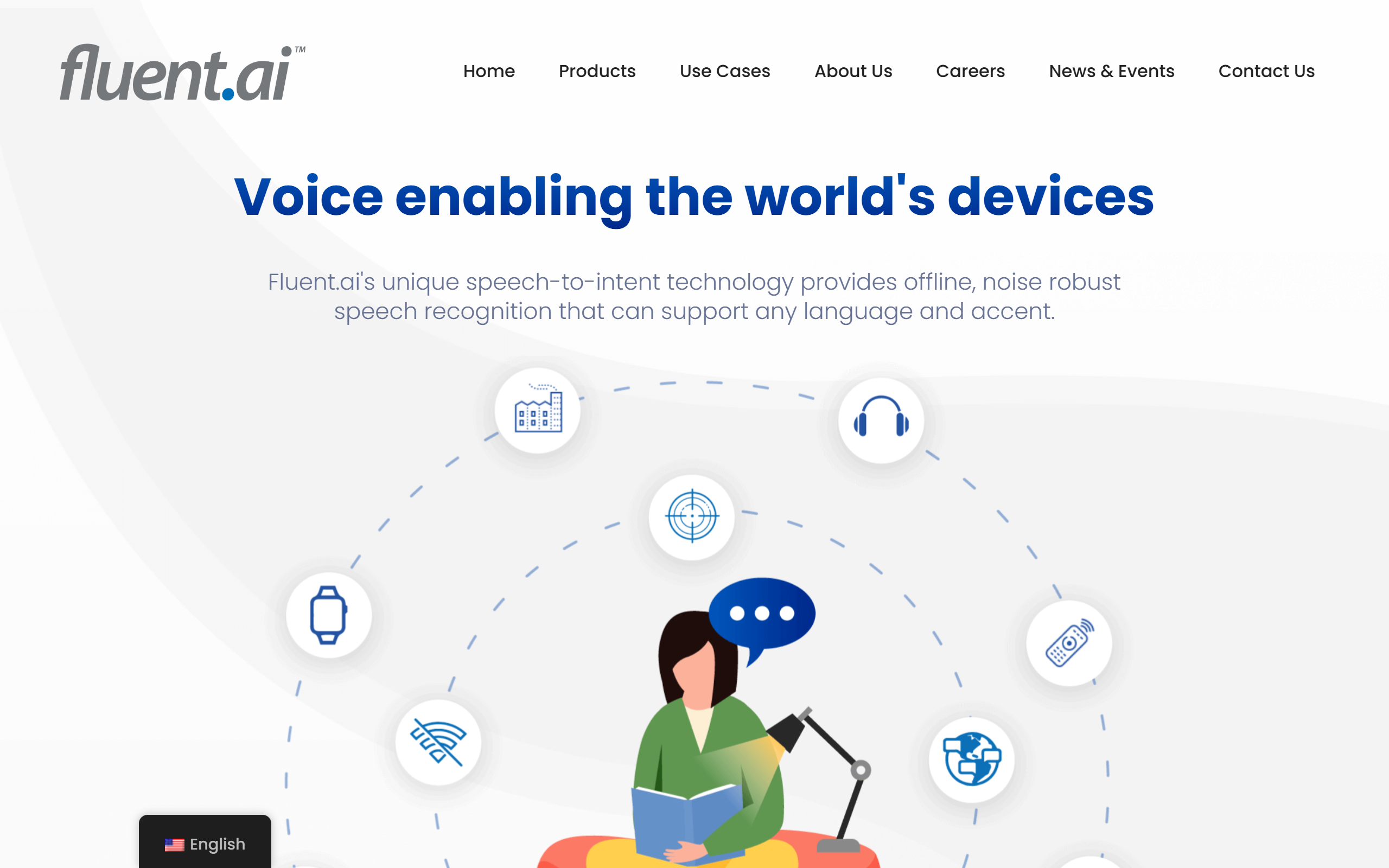
What is Fluent.ai?
Key features
Natural language processing
Recognise user intent and extract meaning from text input
Pre-built components
Ready-made modules for common conversational tasks, reducing development time
User-responsive design
Build apps that adapt responses based on user behaviour and context
API access
Integrate language capabilities into existing applications and workflows
Developer-friendly interface
Build without needing specialised NLP knowledge
Pros & cons
Advantages
- Faster development compared to building language features from scratch
- Freemium pricing model lets you test before committing budget
- Accessible to developers without machine learning backgrounds
- Suitable for both simple and moderately complex conversational applications
Limitations
- Limited detail available on customisation depth for highly specialised language tasks
- Performance and capability tier differences between free and paid versions unclear from public information
Use cases
Building chatbots for customer support or internal help systems
Creating voice-controlled interfaces for applications
Adding search functionality that understands conversational queries
Developing user-responsive apps that adjust behaviour based on conversation history
Prototyping conversational features before building custom solutions
Ready to try Fluent.ai?
Pricing
Free
Free
Access to core natural language processing features and pre-built components for development and testing
Paid plans
Contact for pricing
Advanced features, higher usage limits, priority support, and production-grade reliability
Get started with Fluent.ai
Click through to Fluent.ai and start using it now.
- Free plan available
- No credit card