
Freshdesk AI
AI-powered helpdesk for growing businesses
- Freemium
- Web, iOS, Android, API, Third-party integrations (Slack, Zapier, and others)
- WritingCustomer SupportAI Conversational Support
- Free plan available
- No credit card
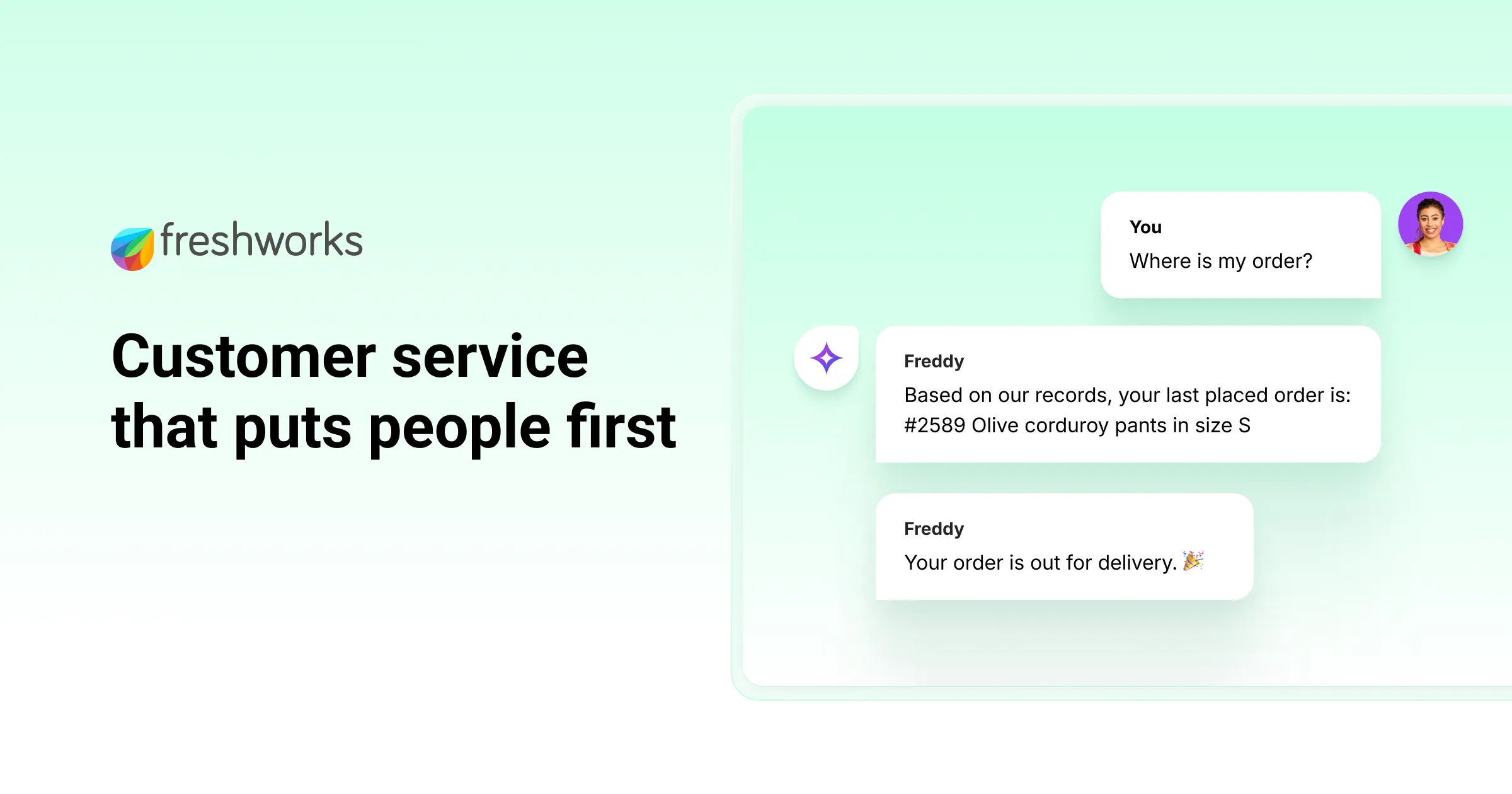
What is Freshdesk AI?
Key features
Multi-channel inbox
consolidates emails, live chat, phone calls, and social media messages into one interface
AI-assisted ticket handling
automated categorisation, prioritisation, and suggested responses to common issues
Knowledge base builder
create self-service articles that customers can search before contacting support
Automation workflows
set up rules to assign tickets, send replies, or escalate based on conditions you define
Team collaboration
internal notes and mention features so agents can ask colleagues for help without leaving the ticket
Reporting and analytics
track metrics like response time, resolution time, and team performance
Pros & cons
Advantages
- Free tier available with genuine functionality, making it accessible for very small teams or testing
- Straightforward interface that doesn't require extensive training; most teams can begin using it within days
- All-in-one platform reduces the need to integrate multiple separate tools for email, chat, and phone support
- AI features are practical rather than experimental; they address real time-sinks like ticket sorting and initial response drafting
Limitations
- AI capabilities are more focused on efficiency than depth; it won't replace human judgment for complex or sensitive issues
- Paid plans can become costly if you have many agents or high ticket volumes, especially compared to some competitors
- The knowledge base and automation features require initial setup time to configure properly; they don't work well out of the box
Use cases
Small SaaS companies managing support requests across multiple channels without a dedicated support team
Growing e-commerce businesses looking to reduce response times and automate repetitive customer questions
Service-based businesses (consultancies, agencies) that need to route inquiries to the right team member quickly
Startups wanting a single platform for customer communication instead of managing separate email and chat tools
Ready to try Freshdesk AI?
Pricing
Growth
From £35/month per agent (billed annually)
Unlimited agents, advanced AI features, phone support, integrations, custom workflows
Pro
From £85/month per agent (billed annually)
Everything in Growth plus API access, advanced automation, co-browsing, custom domains
Enterprise
Custom pricing
Dedicated account management, SLA management, white-label options, custom integrations
Get started with Freshdesk AI
Click through to Freshdesk AI and start using it now.
- Free plan available
- No credit card