
Gretel
A synthetic data platform for developers, ensuring data privacy and innovation.
- Freemium
- Web, API, Python SDK, JavaScript SDK
- DesignDeveloper ToolsCode
- Free plan available
- No credit card
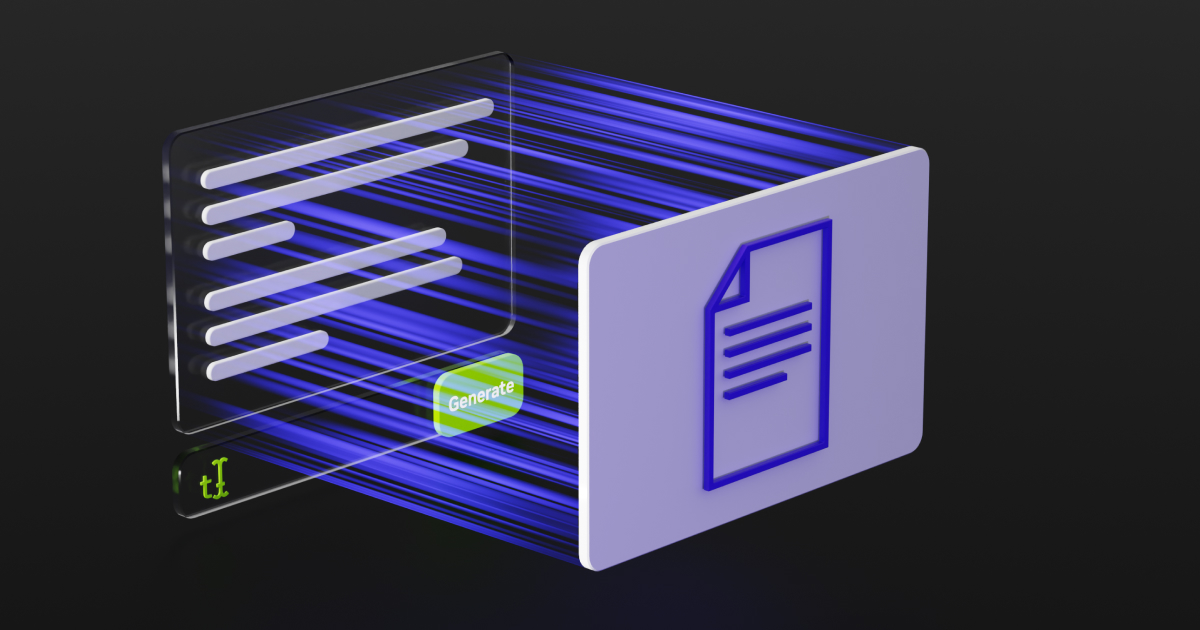
What is Gretel?
Key features
Synthetic data generation
Create artificial datasets with realistic properties matching your original data
Privacy-first approach
Models never trained on user data; generated data stays under your control
Code-based API
Generate synthetic data directly in Python, JavaScript, or other languages with minimal code
Multilingual support
Works with data across many languages for diverse use cases
Data quality metrics
Assess similarity and statistical fidelity between synthetic and real datasets
Flexible export
Output synthetic data in various formats for different tools and workflows
Pros & cons
Advantages
- Strong data privacy guarantees; user data is never used to train models
- Quick setup and integration; generate datasets within minutes using APIs
- Reduces risk of data breaches during development and testing
- Helps meet regulatory requirements like GDPR and HIPAA
- Community support and active engagement via Discord
- Works with different data types: tabular, text, images, and time-series data
Limitations
- Synthetic data may miss rare edge cases or anomalies present in real data
- Requires some technical knowledge to configure properly for specific use cases
- Free tier has limitations on data volume and API calls
- Quality of synthetic data depends on the diversity and quality of your training data
Use cases
Testing machine learning models safely before production deployment
Generating development datasets without handling sensitive customer information
Training data augmentation when real data is limited or costly to collect
Compliance-friendly testing environments for financial, healthcare, or government projects
Load testing and performance validation with realistic but non-sensitive data
Ready to try Gretel?
Pricing
Starter
$299/mo
Increased API calls, larger dataset support, email support, basic analytics
Enterprise
Contact sales
Custom limits, dedicated support, SLA guarantees, on-premise deployment options
Get started with Gretel
Click through to Gretel and start using it now.
- Free plan available
- No credit card