
Hexometer
Receive 24/7 monitoring, notifications via multiple channels, without software installation or code changes.
- Freemium
- Web
- CodeAI Website Monitoring
- Free plan available
- No credit card
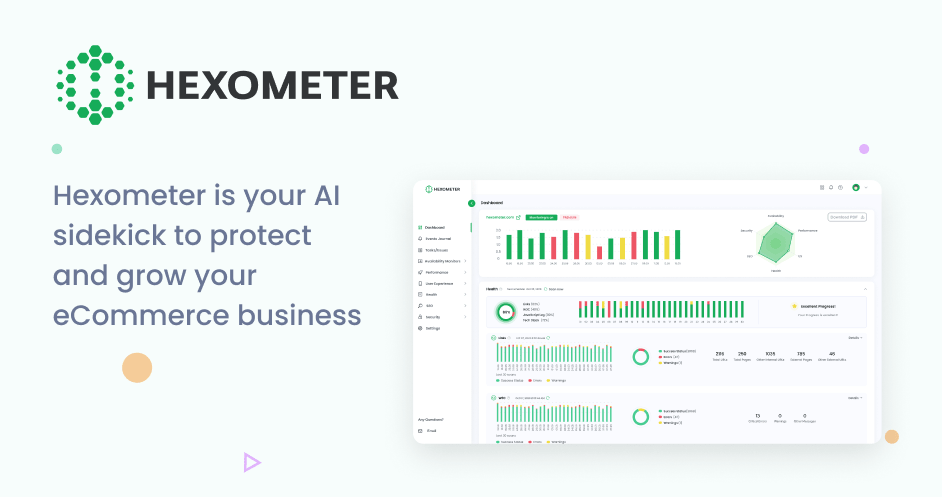
What is Hexometer?
Key features
24/7 uptime monitoring
Continuous checks of your websites and APIs at configurable intervals
Multi-channel alerts
Notifications via email, SMS, webhooks, Slack, and other integrations when issues arise
No installation required
Monitor services through the web dashboard without modifying your infrastructure
Performance tracking
Monitors response times and identifies slow endpoints
SSL certificate monitoring
Alerts you before certificates expire
Status page
Display real-time service status to your users
Pros & cons
Advantages
- Quick to set up; add monitors in minutes without technical overhead
- Multiple notification channels ensure you won't miss alerts regardless of your location
- Freemium model lets you start monitoring at least one service at no cost
- No need to modify your application code or infrastructure
Limitations
- Limited customisation options compared to more complex monitoring platforms like Datadog or New Relic
- Freemium tier likely has restrictions on check frequency, number of monitors, or data retention
Use cases
Small businesses monitoring their main website for downtime
Development teams tracking API availability during development and testing
E-commerce sites ensuring customer-facing services stay online
SaaS providers offering status pages to customers
Freelancers and agencies monitoring client websites
Ready to try Hexometer?
Pricing
Free
Free
Basic monitoring with limited check frequency, typically 1-3 monitors, email notifications
Paid plans
Pricing varies
Higher check frequency, more monitors, advanced notifications, priority support (specific pricing not verified)
Get started with Hexometer
Click through to Hexometer and start using it now.
- Free plan available
- No credit card