
Mutiny
Personalization platform to improve website conversions using AI.
- Freemium
- Web
- Developer ToolsAI PersonalizationMarketing
- Free plan available
- No credit card
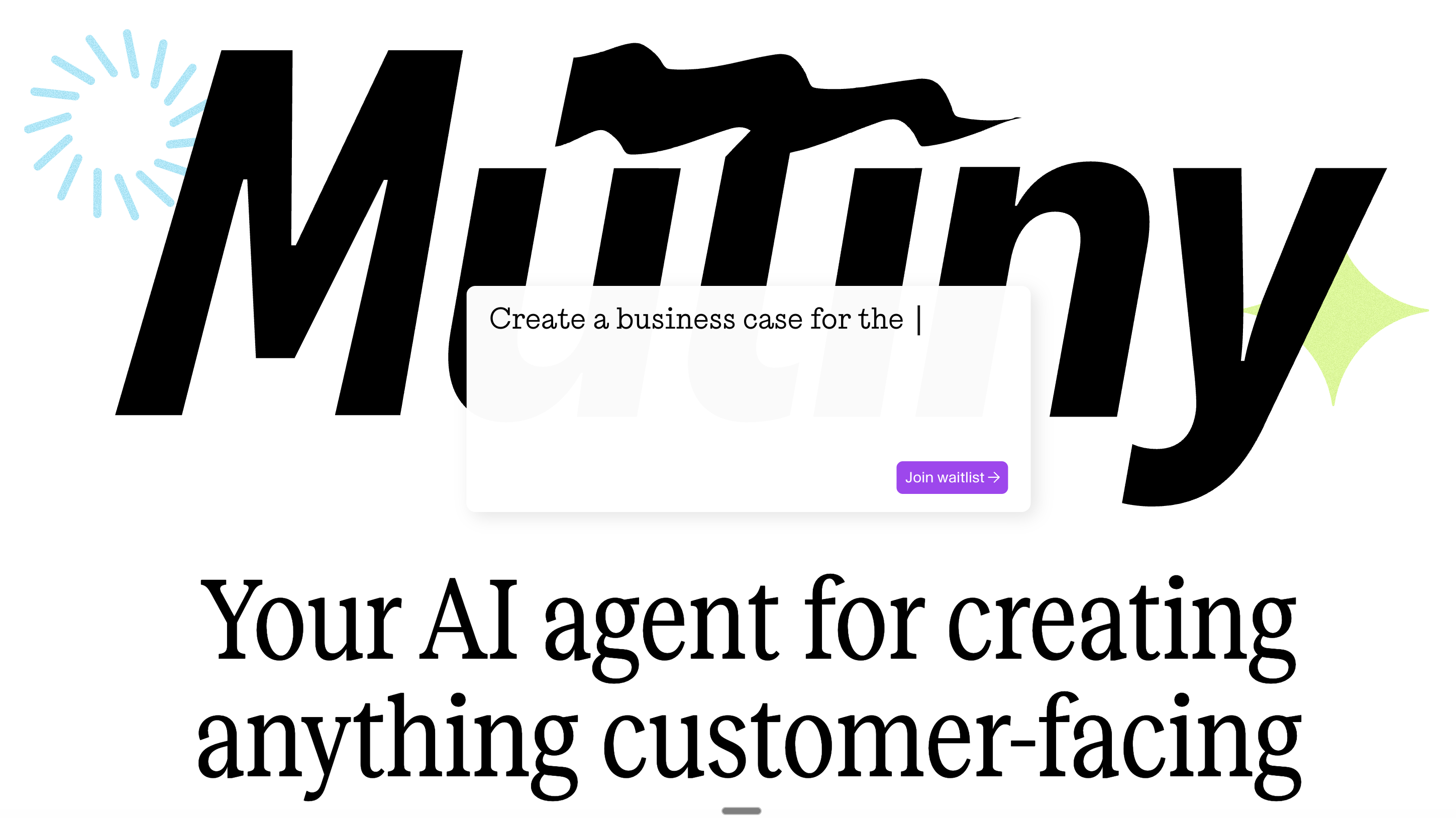
What is Mutiny?
Key features
AI-driven audience segmentation
automatically identifies visitor segments based on behaviour, source, and company data
Dynamic content personalisation
changes website copy, offers, and layouts for different audience groups
Conversion tracking and analytics
measures how personalisation affects visitor behaviour and sales outcomes
No-code editor
build personalised experiences without writing code or managing deployments
Integration with sales and marketing tools
connects with CRM and marketing platforms to inform personalisation decisions
A/B testing capabilities
test different personalised variants to optimise conversion performance
Pros & cons
Advantages
- Helps sales-focused teams speak directly to each visitor's likely needs and concerns
- Quick implementation without requiring developer involvement for most use cases
- Freemium model lets you test the concept before committing to paid features
- Provides clear data on whether personalisation is actually improving conversions
Limitations
- Effectiveness depends on having good audience data and clear conversion goals beforehand
- Works best for B2B websites; B2C use cases may benefit less from account-based personalisation
Use cases
B2B SaaS companies personalising landing pages for different customer segments or industries
Sales teams adjusting website messaging based on company size or industry of incoming leads
Marketing teams testing different value propositions to different visitor cohorts
Account-based marketing programmes where specific companies see tailored messaging
Websites targeting both new prospects and existing customers with different messages
Ready to try Mutiny?
Pricing
Paid plans
Custom pricing
Advanced analytics, higher traffic limits, priority support, additional integrations
Get started with Mutiny
Click through to Mutiny and start using it now.
- Free plan available
- No credit card