
Neuralink
Developing ultra-high bandwidth brain-machine interfaces to connect humans and computers.
- Freemium
- Medical/Surgical implant device, External software interface (web-based and desktop applications), Compatible with standard computing systems and devices via wireless connection
- API ToolsDeveloper Tools
- Free plan available
- No credit card
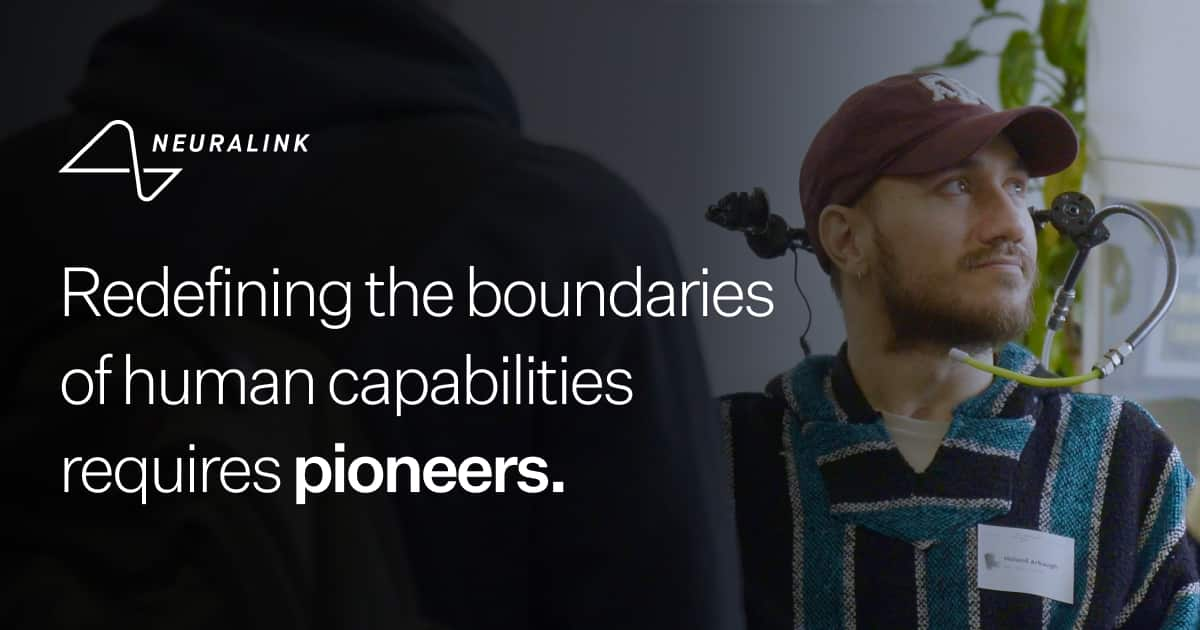
What is Neuralink?
Key features
High-bandwidth neural signal recording
Captures brain activity with ultra-fine spatial resolution for precise interpretation
Surgical implantation system
Minimally invasive robotic surgery to place electrode arrays in target brain regions
Real-time decoding
Translates neural signals into device commands with low latency
Wireless data transmission
Non-invasive communication between implant and external devices
Machine learning integration
Continuously improves signal interpretation and user control accuracy
Medical-grade biocompatibility
Materials designed for long-term brain implantation safety
Pros & cons
Advantages
- Potential to restore communication and mobility to paralyzed patients with no current treatment options
- Higher bandwidth than competing BCI technologies, enabling more natural and precise control
- Minimally invasive surgical approach reduces recovery time compared to traditional neurosurgery
- Wireless functionality eliminates external hardware tethers for improved quality of life
- Strong funding and backing enables rapid research and development
Limitations
- Still in early clinical trial stages with limited real-world data on long-term outcomes and safety
- Requires surgical implantation, which carries inherent surgical and neurological risks
- Regulatory approval process is lengthy and strict due to the invasive nature of the technology
Use cases
Enabling paralyzed patients to control computer cursors and type through neural signals
Allowing individuals with locked-in syndrome to communicate and interact with family and caregivers
Restoring control of robotic prosthetic limbs for amputees or those with severe motor impairment
Assisting patients with ALS (amyotrophic lateral sclerosis) to maintain communication as disease progresses
Research applications studying brain function and neural plasticity
Ready to try Neuralink?
Pricing
Clinical Trial (Medical)
Not commercially available
Access through FDA-approved clinical trials for eligible patients with severe paralysis or neurological conditions. Includes surgical implantation, device, and ongoing medical support
Get started with Neuralink
Click through to Neuralink and start using it now.
- Free plan available
- No credit card