
NutriTracker
AI-Powered Nutrition and Fitness tracking.
- Freemium
- Web, iOS, Android
- HealthcareImage GenerationAI Tools for Nutrition
- Free plan available
- No credit card
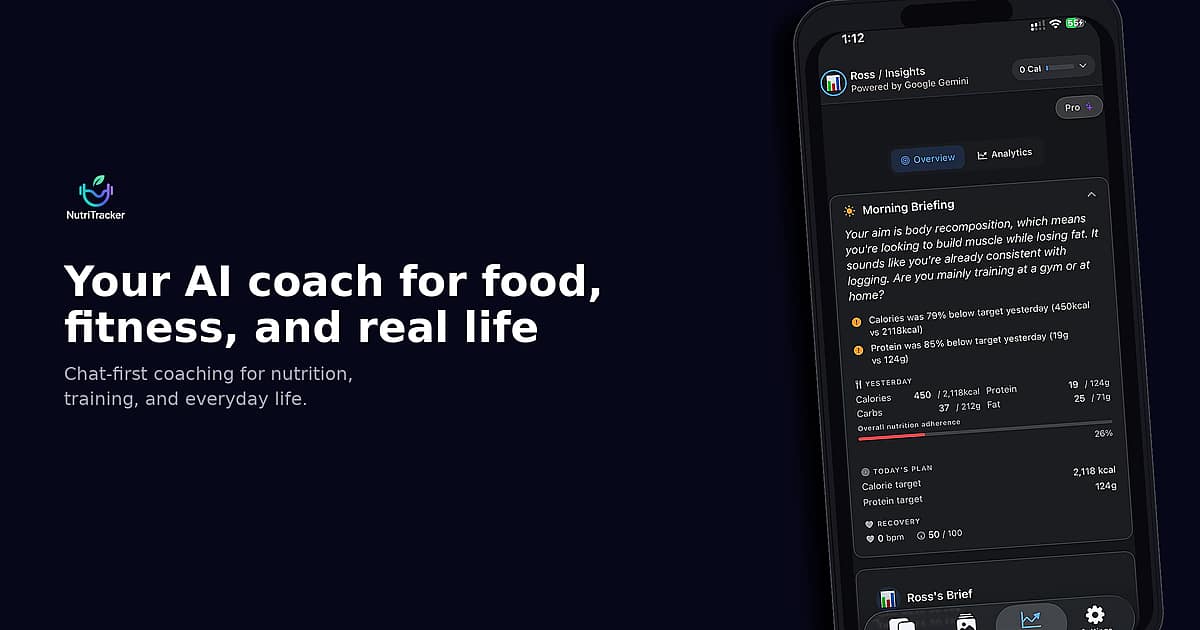
What is NutriTracker?
Key features
AI food recognition
photograph meals and the tool identifies ingredients and nutritional content automatically
Nutrition tracking
logs calories, macronutrients, micronutrients, and dietary information against personalised targets
Fitness activity logging
records workouts and physical activity with calorie burn estimation
Progress analytics
generates charts and reports on nutrition and fitness trends over time
Goal setting
create and monitor custom health objectives based on your personal targets
Barcode scanning
quickly add packaged foods by scanning product barcodes
Pros & cons
Advantages
- AI-powered food recognition saves time compared to manual entry and makes tracking less tedious
- Free tier provides genuine access to core features without requiring a subscription immediately
- Combined nutrition and fitness tracking in one app reduces the need for multiple tools
- Visual progress tracking through charts helps maintain motivation and identify patterns
Limitations
- AI food recognition may struggle with homemade meals or regional cuisines, requiring manual corrections
- Free tier likely has limitations on data history, report depth, or analysis features compared to paid options
- Accuracy of fitness tracking depends on device sensors and may vary between different activity types
Use cases
Weight management: monitoring daily intake and activity to maintain or adjust body weight
Athletic training: tracking macronutrients and workouts to support performance goals
Medical nutrition therapy: logging food intake for dietary management of health conditions
Building consistent habits: using visual feedback and trends to maintain regular exercise and healthy eating
Calorie counting for specific diets: tracking adherence to low-carb, high-protein, or other dietary approaches
Ready to try NutriTracker?
Pricing
Free
Free
Basic nutrition and fitness logging, AI food recognition, goal tracking, standard analytics
Premium
Pricing varies by region
Advanced analytics, extended food history, priority support, detailed nutrient analysis, integration with wearable devices
Get started with NutriTracker
Click through to NutriTracker and start using it now.
- Free plan available
- No credit card