
Ontyme
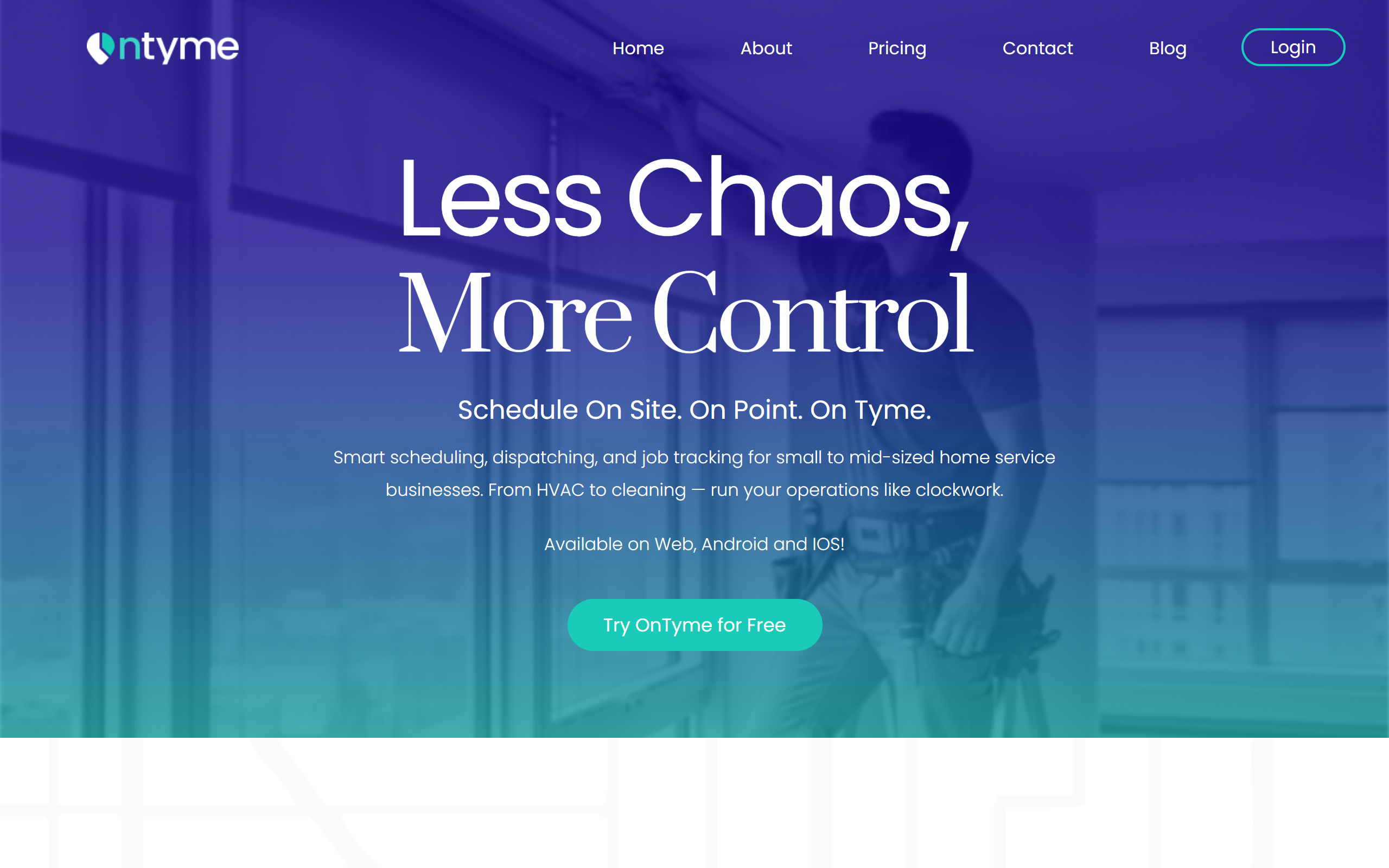
Less Chaos, More Control Schedule On Time. On Site.
- Always free
- No credit card
What is Ontyme?
Key features
Schedule management
Create and manage team schedules with visibility across multiple team members and locations
On-site coordination
Track where team members are and when they're scheduled to be there
Conflict prevention
Identify and resolve scheduling clashes before they become problems
Team visibility
Give all team members access to the current schedule so everyone knows their assignments
Location-based planning
Organise work by physical location or job site rather than just time
Pros & cons
Advantages
- Free to use, making it accessible for small teams and startups
- Straightforward approach focused on solving scheduling problems without unnecessary features
- Particularly suited to field-based work where location matters as much as time
- Reduces miscommunication about who should be where
Limitations
- Limited information available about advanced features or integrations with other tools
- May lack depth compared to more thorough workforce management platforms
- Unclear how the tool handles complex scenarios like resource allocation across multiple concurrent projects
Use cases
Construction teams coordinating workers across multiple job sites
Maintenance and facilities teams scheduling on-site visits
Field service businesses managing technician locations and appointments
Event management teams coordinating staff across different venues
Delivery or logistics operations needing visibility over driver and vehicle locations
Ready to try Ontyme?
Pricing
Get started with Ontyme
Click through to Ontyme and start using it now.
- Always free
- No credit card