
Outline AI
Open-source team knowledge base with AI search and writing assistance for engineering-forward teams.
- Open Source
- Web, API
- WritingAI Team Collaboration ToolsAI for Engineers
- Open source
- Free forever
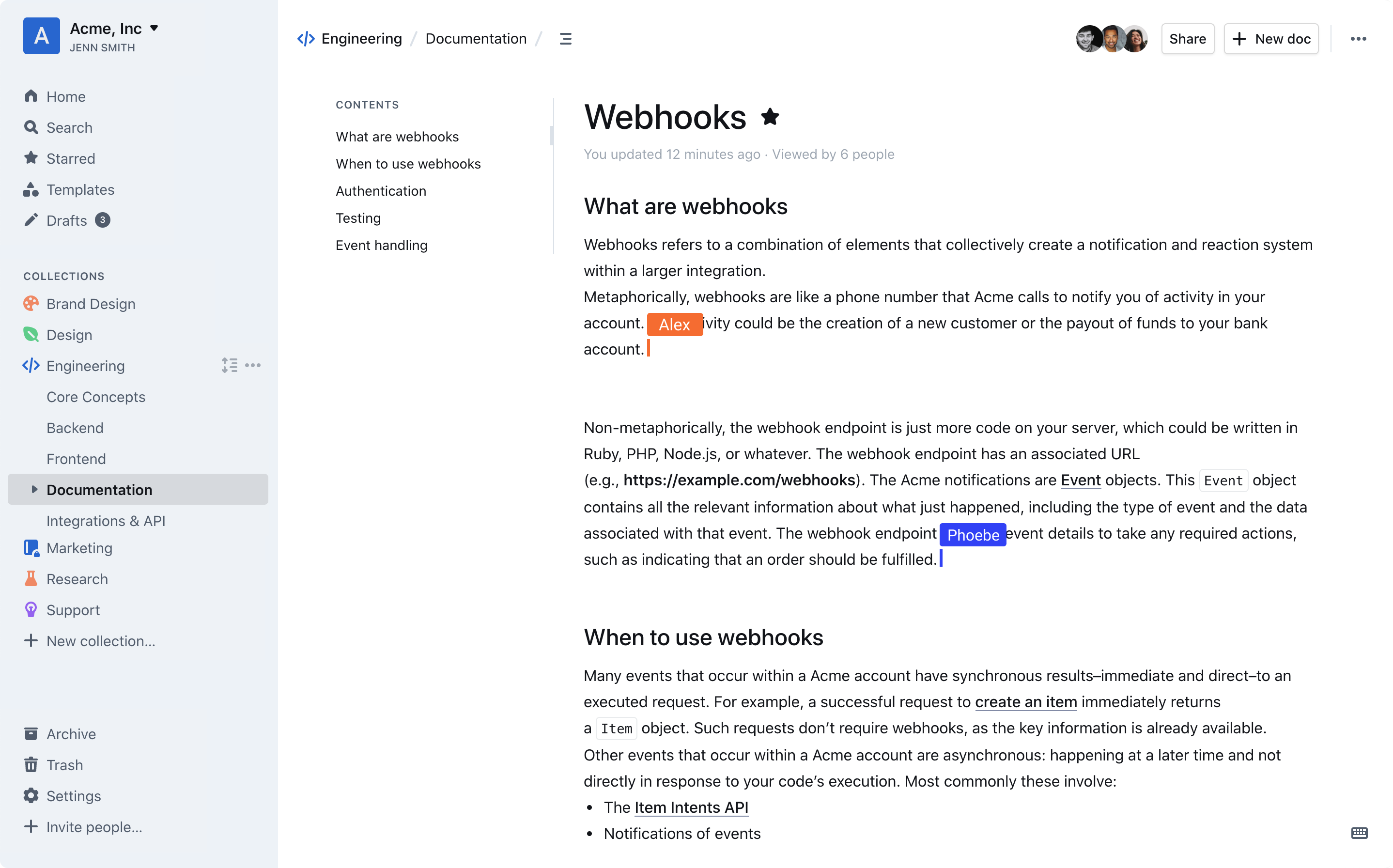
What is Outline AI?
Key features
AI-powered search
Natural language queries that understand context, not just keyword matching
Writing assistance
AI tools to help draft, edit, and improve documentation as you write
Open-source codebase
Full access to source code for self-hosting and customisation
Team collaboration
Shared workspaces where multiple team members can contribute and edit documents
Document organisation
Wiki-like structure with collections and hierarchical navigation
Version control integration
Connect to Git repositories to track changes and manage documentation alongside code
Pros & cons
Advantages
- No licensing costs; open-source means you own the software once deployed
- Self-hosting option gives you full control over data and infrastructure
- AI search understands intent better than traditional keyword-based systems, saving time finding information
- Designed specifically for technical teams, not generic office workers
Limitations
- Requires technical expertise to self-host and maintain compared to fully managed services
- Limited community support compared to commercial products with dedicated support teams
- AI features may require additional configuration or API keys (e.g. for OpenAI integration)
Use cases
Engineering teams documenting internal APIs, architecture decisions, and technical standards
Onboarding new developers by providing searchable documentation of systems and processes
Maintaining runbooks and operational procedures that the team can quickly find during incidents
Recording institutional knowledge before team members leave, preserving context for future work
Cross-team collaboration in larger organisations where different departments need shared knowledge bases
Ready to try Outline AI?
Pricing
Open-source
Free
Full access to open-source codebase for self-hosting; AI search and writing assistance included; community support via GitHub
Get started with Outline AI
Click through to Outline AI and start using it now.
- Open source
- Free forever