
Perplexity AI
AI powered search tools.
- Freemium
- Web, iOS, Android, Chrome Extension
- SEOAI Tools for Web SearchResearch
- Free plan available
- No credit card
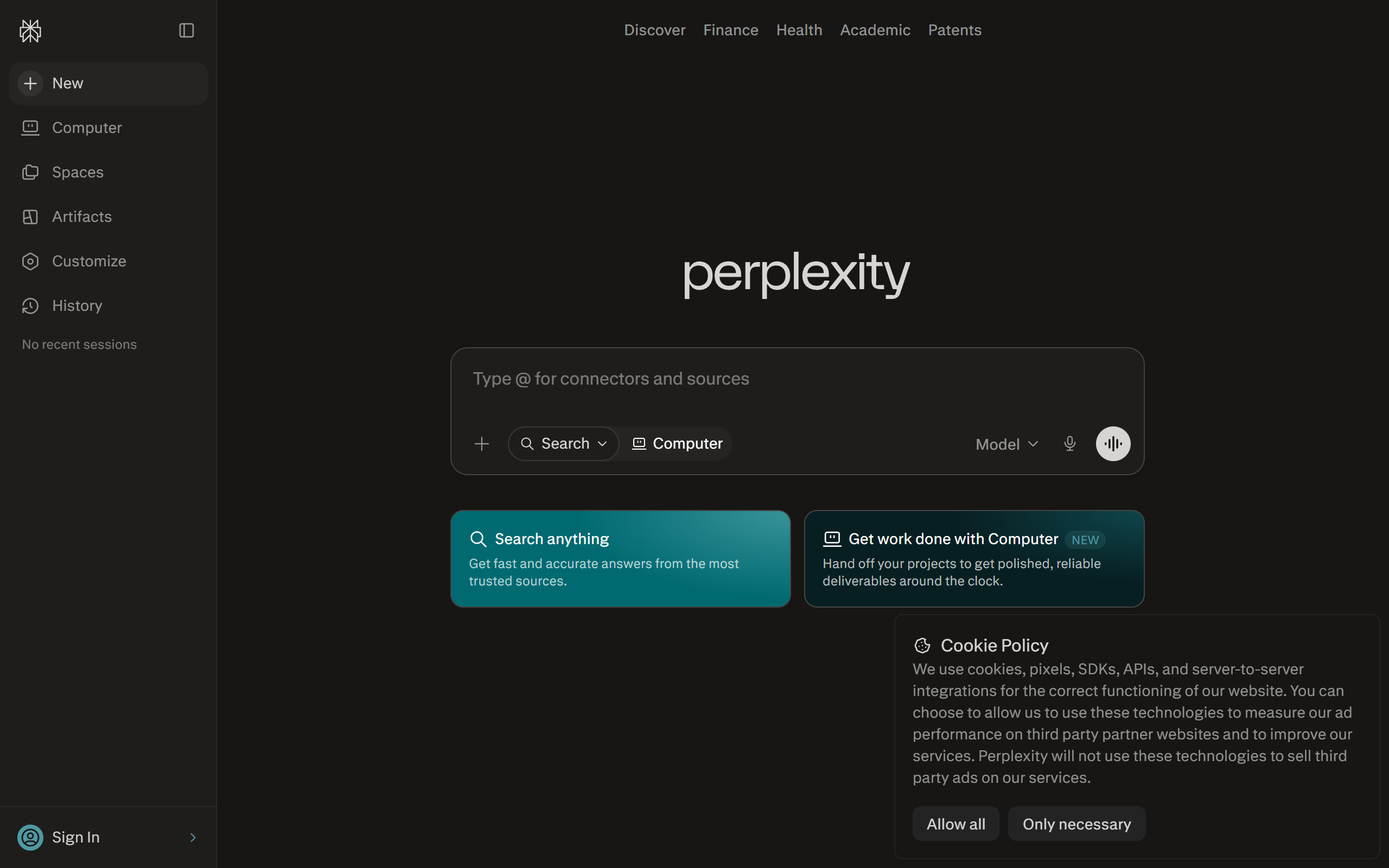
What is Perplexity AI?
Key features
Conversational search
Ask questions in natural language and get detailed answers rather than link listings
Source citations
Responses include references to the websites and sources used, with clickable links
Follow-up questions
Refine your search by asking related questions in context
Web search integration
Accesses current information from the internet, not just training data
Multiple search modes
Options for different search depths and source types
Pros & cons
Advantages
- Faster than traditional search for many queries; you get answers immediately rather than having to read multiple pages
- Transparent sourcing means you can verify claims and access original content easily
- Good for research and learning because it synthesises information from multiple sources in one response
- Free tier is fully functional, making it accessible without payment
Limitations
- Occasionally generates inaccurate information or misinterprets sources, particularly for very recent events or niche topics
- Requires internet connection for search functionality; can't work offline like some traditional search engines
Use cases
Researching topics for essays, articles, or professional projects
Getting quick explanations of concepts, technologies, or current events
Fact-checking claims by asking follow-up questions and reviewing sources
Learning by asking progressively detailed questions about a subject
Ready to try Perplexity AI?
Pricing
Get started with Perplexity AI
Click through to Perplexity AI and start using it now.
- Free plan available
- No credit card