
PowerDMARC
Monitor & block unauthorized emails, detect & respond to spoofed emails, and analyze trends to gain insights.
- Free plan available
- No credit card
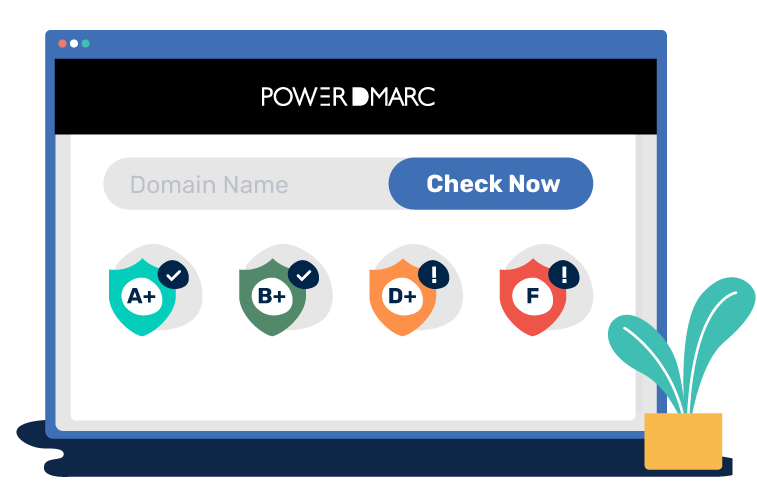
What is PowerDMARC?
Key features
DMARC monitoring
tracks email authentication results across your domain
Spoofing detection
identifies and flags emails pretending to be from your organisation
Unauthorised email blocking
prevents non-authenticated messages from reaching recipients
Reporting and analytics
visual dashboards show authentication trends and failure patterns
Policy enforcement
helps you set and apply stricter DMARC policies over time
Threat response
alerts and reporting to help you react to suspicious activity
Pros & cons
Advantages
- Freemium model means you can start protecting your domain without upfront cost
- Focuses on a specific, critical problem: email authentication and spoofing rather than general inbox filtering
- Provides both real-time blocking and historical trend analysis
- Works with existing email infrastructure without requiring major changes
Limitations
- DMARC setup and policy management can be technical; smaller organisations may need support to configure correctly
- Effectiveness depends partly on your email providers and whether they respect DMARC policies
Use cases
Preventing brand impersonation and phishing attacks targeting your customers
Monitoring email authentication across your organisation to identify weak spots
Compliance reporting for regulated industries that require email security documentation
Analysing email fraud patterns to improve your security posture over time
Ready to try PowerDMARC?
Pricing
Paid plans
Contact for pricing
Multiple domain support, advanced analytics, longer data retention, priority support, API access
Get started with PowerDMARC
Click through to PowerDMARC and start using it now.
- Free plan available
- No credit card