Sentry
Automate error tracking, monitor application performance, and gain insights with advanced analytics.
- Freemium
- Web, API, iOS, Android, macOS, Windows, Linux
- Data & AnalyticsAI Incident Management
- Free plan available
- No credit card
What is Sentry?
Key features
Error and exception tracking
automatically captures crashes and errors across your application with full stack traces and source maps
Performance monitoring
tracks application response times, database queries, and API calls to identify bottlenecks
Release tracking
correlates errors with specific code deployments to understand which changes introduced problems
Alerting and notifications
sends alerts to your team via email, Slack, PagerDuty, or other channels when critical issues occur
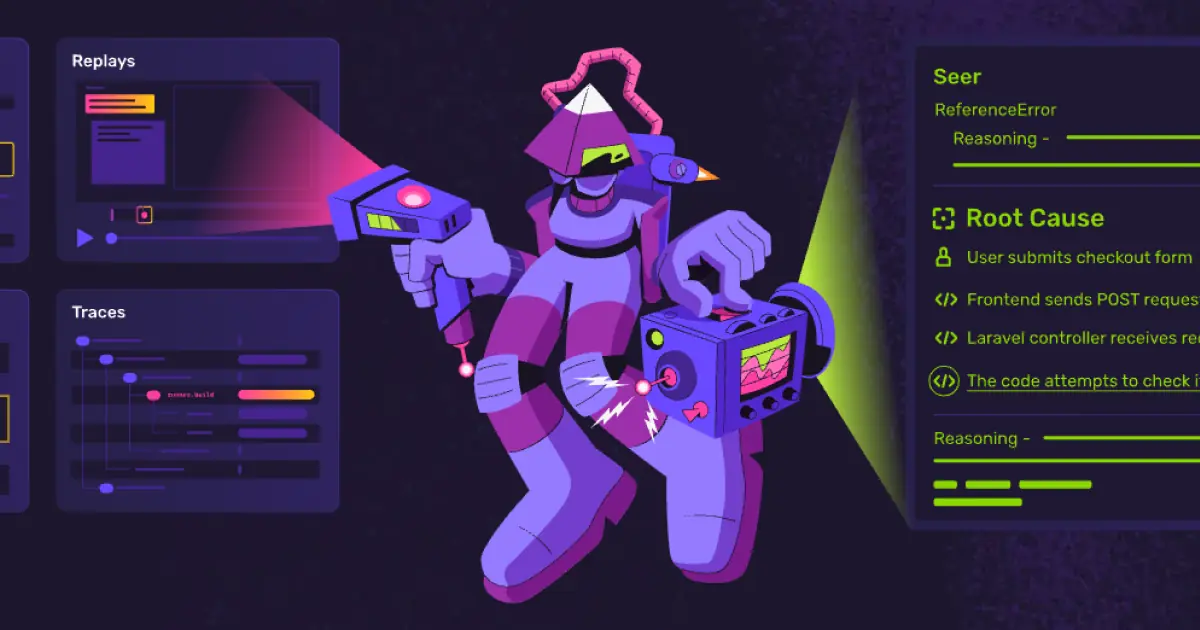
Session replay
records user sessions to help you understand the steps that led to an error
Breadcrumbs
logs user actions and system events leading up to an error for better context
Pros & cons
Advantages
- Supports many programming languages and frameworks out of the box
- Free tier offers genuine value with error tracking for small projects or teams evaluating the tool
- Clear, intuitive dashboard makes it easy to find and investigate problems quickly
- Source map support helps you understand errors in minified or compiled code
Limitations
- Pricing can become expensive for high-volume applications with many events per month
- Requires some setup and configuration to get meaningful data; basic installation alone may miss important context
Use cases
SaaS companies monitoring production applications to catch user-facing bugs before customers report them
Development teams debugging difficult production issues by reviewing detailed error context and session information
Mobile app teams tracking crashes and performance issues across different devices and OS versions
Backend services teams monitoring API reliability and identifying slow endpoints
Ready to try Sentry?
Pricing
Team
Paid (usage-based)
Unlimited team members, advanced filtering, performance monitoring, release tracking, and custom alerts
Business
Paid (usage-based)
Everything in Team plan plus session replay, custom integrations, and priority support
Get started with Sentry
Click through to Sentry and start using it now.
- Free plan available
- No credit card