
SEO Software
All-in-one SEO content automation.
- Freemium
- Web
- WritingAI Tools for Keyword ResearchCode
- Free plan available
- No credit card
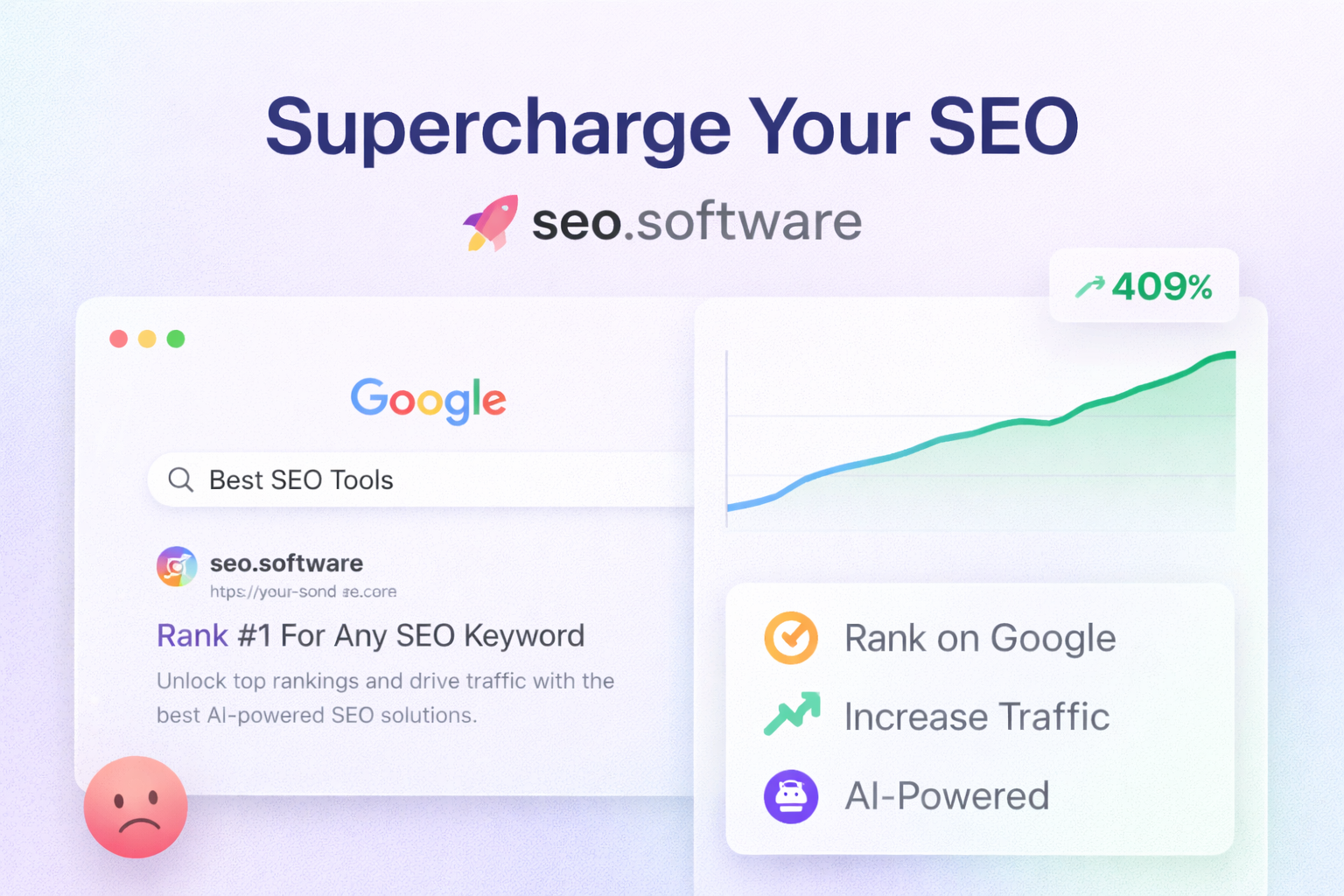
What is SEO Software?
Key features
Content generation
Creates SEO-optimised articles and copy based on target keywords and search intent
Keyword research
Identifies search volume, difficulty, and related keywords to guide content strategy
Content analysis
Evaluates existing content against SEO best practices and competitor benchmarks
SERP tracking
Monitors keyword rankings across search engines over time
On-page optimisation suggestions
Provides recommendations for title tags, meta descriptions, and content structure
Bulk content creation
Automates production of multiple pieces of content simultaneously
Pros & cons
Advantages
- Freemium model allows you to try the tool before investing in a paid plan
- Saves time on routine SEO tasks like keyword research and initial content drafting
- Combines multiple SEO functions in one place rather than requiring separate tools
- Suitable for teams managing content across multiple websites or topics
Limitations
- Generated content typically requires editorial review and refinement rather than being publication-ready
- Free tier is limited in scope; most advanced features require paid subscription
- Effectiveness depends heavily on how well you configure keywords and content briefs
Use cases
Content agencies producing articles for multiple clients on tight timelines
E-commerce sites needing to generate product descriptions and category pages at scale
Blogs and publishers monitoring and improving rankings for hundreds of keywords
In-house marketing teams creating content pillars and topic clusters
Local SEO teams optimising location-specific content across multiple branches
Ready to try SEO Software?
Pricing
Free
Free
Limited access to content generation and keyword research; basic SERP tracking for a small number of keywords
Paid Plans
Contact for pricing
Unlimited content generation, advanced keyword research, full SERP tracking, competitor analysis, priority support (exact tiers and pricing not publicly specified)
Get started with SEO Software
Click through to SEO Software and start using it now.
- Free plan available
- No credit card