
Shield
- Freemium
- Web
- Free plan available
- No credit card
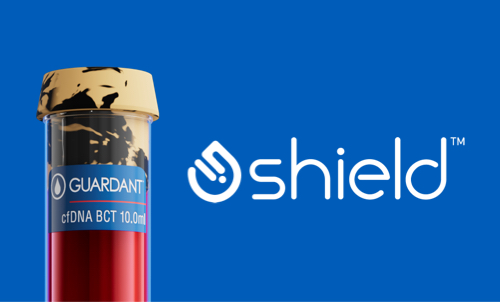
What is Shield?
Key features
Blood-based screening test
Detects biomarkers associated with colorectal cancer and advanced adenomas without invasive procedures
Non-invasive alternative
Eliminates the need for colonoscopy or other endoscopic methods for initial screening
Simple sample collection
Uses standard blood draw, familiar to most patients from routine medical visits
Risk stratification
Provides results that help identify individuals who may need follow-up colonoscopy
Freemium access model
Offers basic screening options at no or reduced cost with optional premium features
Pros & cons
Advantages
- No preparation required compared to colonoscopy, which requires bowel cleansing
- Less anxiety-inducing than endoscopic procedures for patients with medical procedure concerns
- Can be performed during routine doctor's visits without specialist referral
- Results available relatively quickly without scheduling delays typical of endoscopy
Limitations
- May require follow-up colonoscopy if results indicate increased risk, meaning it's a screening tool rather than diagnostic
- Accuracy rates may differ from colonoscopy, particularly for detection of smaller lesions
- Not suitable as a replacement for diagnostic colonoscopy when symptoms are present
Use cases
Initial screening for adults 45+ with no symptoms or family history of colorectal cancer
Screening for individuals hesitant about invasive procedures who want a less intimidating first step
Regular monitoring for patients at moderate risk who prefer blood-based testing between colonoscopies
Assessment for people with family history of colorectal cancer seeking risk stratification
Workplace or community health screening programmes looking for accessible cancer prevention options
Ready to try Shield?
Pricing
Free/Freemium
Free or reduced cost
Access to basic blood-based screening with standard biomarker detection and risk assessment
Premium
Variable
Enhanced features, detailed reporting, and potentially additional biomarker analysis or follow-up support
Get started with Shield
Click through to Shield and start using it now.
- Free plan available
- No credit card