
Skydio Autonomous Drones
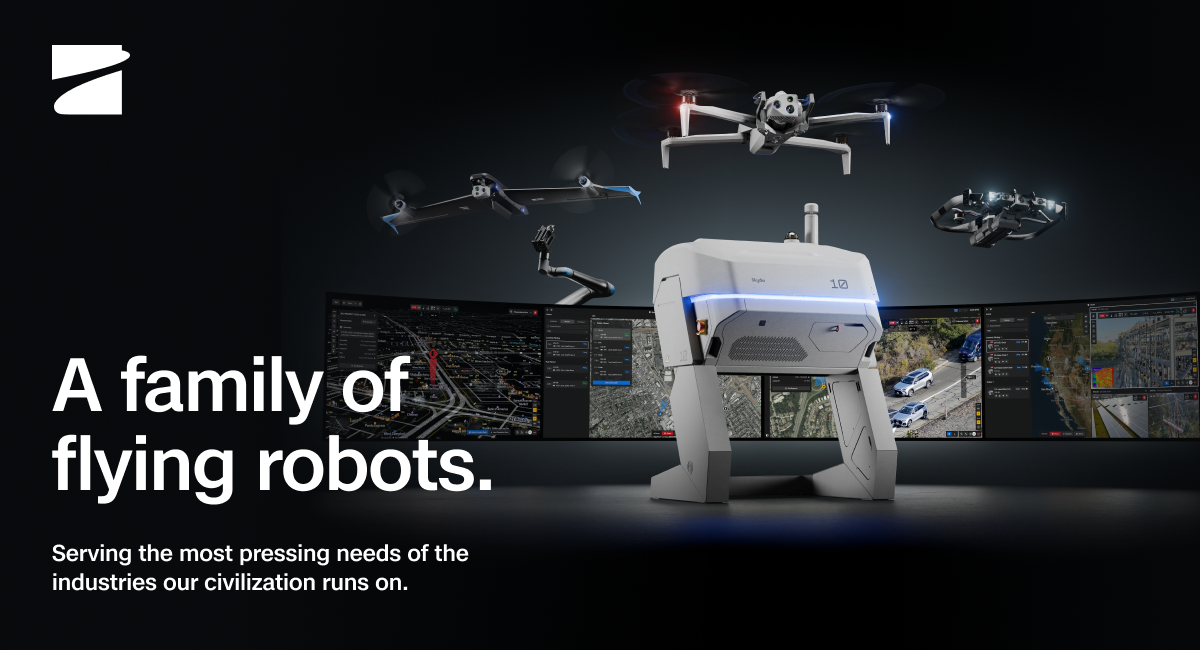
Skydio is the leading U.S. manufacturer of autonomous drones, delivering AI-powered flight for public safety, utilities, enterprise, and national security. With U.S.-designed, assembled, and supported
- Free plan available
- No credit card
What is Skydio Autonomous Drones?
Key features
Autonomous flight
drones operate with AI-assisted navigation without requiring constant manual control
GPS-denied operation
functions in indoor environments and areas where satellite signals are blocked
Low-light performance
operates in zero-light conditions using alternative sensing methods
Remote Ops software
centralized platform for managing drone fleets and coordinating multiple aircraft
Dock integration
automated docking stations for charging and deployment without manual handling
Secure fleet management
scalable infrastructure for organizations operating multiple drones across locations
Pros & cons
Advantages
- U.S. manufactured and supported, addressing supply chain and support continuity concerns for sensitive applications
- Designed specifically for professional use cases rather than consumer applications, with appropriate durability and reliability
- Operates in environments where standard drones struggle, including GPS-denied areas and darkness
- Fleet management capabilities allow organisations to scale from single drone to multi-site operations
Limitations
- Hardware and operational costs are likely significant compared to consumer drones, limiting accessibility for small organisations
- Requires specialise training and certification for operators in regulated environments
- Limited information available about free tier capabilities; freemium pricing model suggests significant restrictions on no-cost usage
Use cases
Emergency response and search and rescue operations where drones can assess situations faster than ground teams
Infrastructure inspection for utilities, including power lines, telecommunications towers, and pipelines
Security monitoring of large facilities, construction sites, or remote locations
First responder support, such as reconnaissance before police or fire service personnel enter uncertain situations
Industrial site surveys and damage assessment following incidents or weather events
Ready to try Skydio Autonomous Drones?
Pricing
Freemium
Free tier available; hardware and full software suite require commercial licensing
Free tier details not publicly specified; commercial offerings require direct engagement with Skydio sales
Get started with Skydio Autonomous Drones
Click through to Skydio Autonomous Drones and start using it now.
- Free plan available
- No credit card