SlashDB
Create custom web services, access data securely from anywhere, and build powerful web applications effortlessly.
- Freemium
- Web, API
- Data & AnalyticsCustomer SupportDesign
- Free plan available
- No credit card
What is SlashDB?
Key features
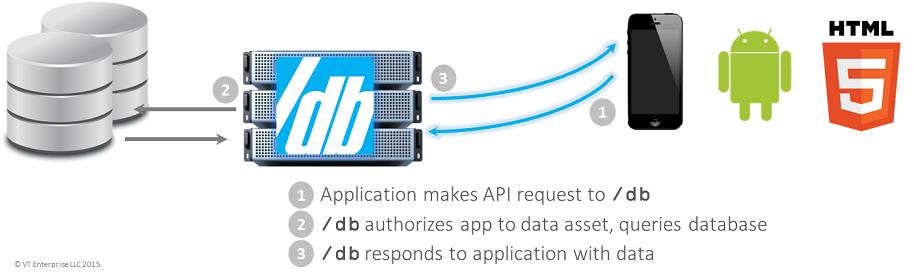
Automatic REST API generation
converts database tables into accessible endpoints without manual coding
Role-based access control
set granular permissions for different users and define what data each can access
Built-in authentication
supports multiple authentication methods to secure your data access
Data discovery interface
browse and understand your database structure through an admin console
Query builder
construct API requests through the interface or use direct REST calls
Cross-origin resource sharing
configure CORS settings to control which applications can access your APIs
Pros & cons
Advantages
- Reduces development time significantly by eliminating the need to build custom API layers
- Requires minimal coding knowledge to set up and deploy working web services
- Keeps your database protected with built-in security features rather than exposing it directly
- Freemium model allows you to test the concept before committing to paid plans
Limitations
- Limited customisation for complex business logic that goes beyond standard CRUD operations
- Performance may vary depending on your database size and query complexity
- Vendor lock-in risk if you build heavily on the platform's specific features
Use cases
Building mobile applications that need secure backend data access
Creating internal tools or dashboards that consume existing database content
Prototyping web applications without investing time in backend development
Providing partner access to specific data sets with controlled permissions
Migrating legacy applications to modern architectures incrementally
Ready to try SlashDB?
Pricing
Starter
Contact for pricing
Higher request limits, multiple databases, advanced authentication options
Get started with SlashDB
Click through to SlashDB and start using it now.
- Free plan available
- No credit card