
Sumo Logic
Automate log collection, monitor infrastructure and applications, identify trends, detect anomalies and security threats.
- Freemium
- Web, API, AWS, Azure, Google Cloud Platform
- HR & RecruitingCode
- Free plan available
- No credit card
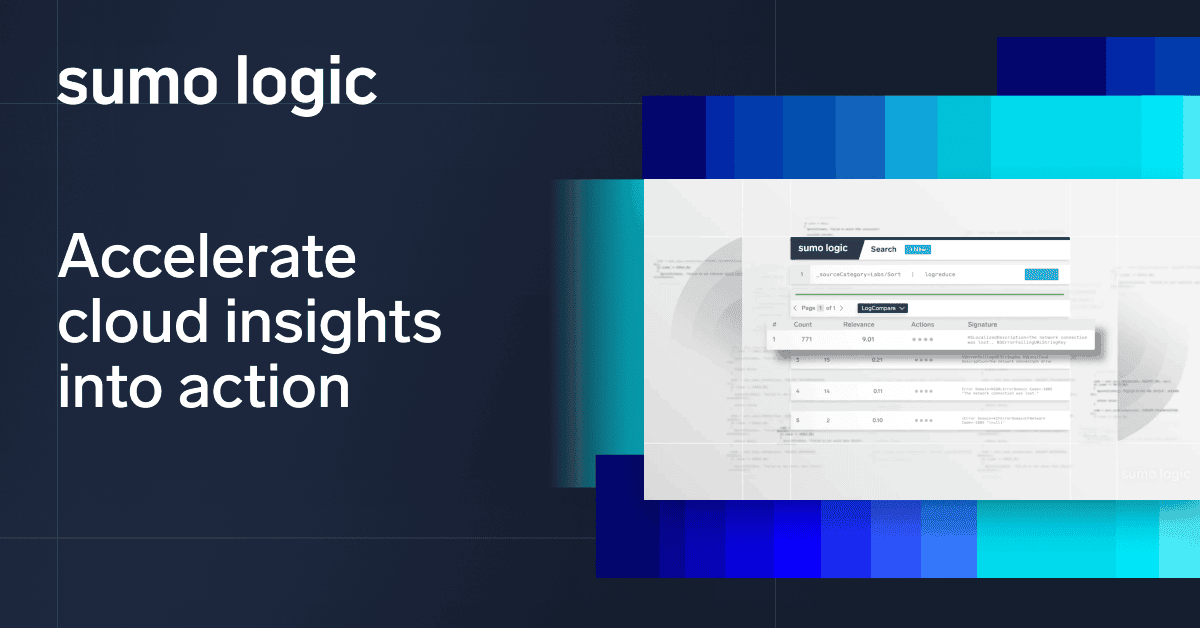
What is Sumo Logic?
Key features
Log collection and ingestion; automatically gathers logs from servers, containers, and cloud services with support for structured and unstructured data
Real-time search and analytics; query logs across terabytes of data and create custom searches to find specific events or patterns
Dashboards and visualisations; build custom dashboards to monitor metrics, trends, and health indicators across your infrastructure
Anomaly detection; automatically identifies unusual behaviour in logs that might indicate performance problems or security threats
Alerting and automation; set up alerts based on log patterns and automatically trigger actions when conditions are met
Security and compliance monitoring; tracks suspicious activities, failed authentications, and policy violations to support security investigations
Pros & cons
Advantages
- Scales easily; handles high-volume log ingestion from large deployments without manual sharding
- Fast search performance; queries return results quickly even across large datasets
- Good integration ecosystem; works with popular cloud platforms, monitoring tools, and incident management systems
- Flexible parsing; handles logs in various formats without requiring strict schema definition upfront
Limitations
- Cost scales with data volume; organisations ingesting large amounts of logs can face significant expenses
- Requires learning custom query language and best practices; initial setup and optimisation takes time
- Complex pricing model; calculating exact costs can be difficult before deployment at scale
Use cases
Monitoring application performance; track errors, response times, and user behaviour across web and mobile applications
Infrastructure troubleshooting; centralise logs from servers, containers, and databases to diagnose system issues faster
Security threat detection; monitor logs for suspicious login attempts, unauthorised access, and malware indicators
Compliance and audit logging; retain and search logs for regulatory requirements and internal audits
DevOps and CI/CD visibility; track deployment logs, build errors, and system changes across your pipeline
Ready to try Sumo Logic?
Pricing
Free
Free
Limited daily log ingestion (typically around 1 GB per day); basic search and alerting functionality; suitable for testing and small deployments
Professional
Variable (based on daily ingest volume)
Higher daily ingest limits; advanced analytics and dashboarding; real-time alerting; user and role management; suitable for mid-sized teams
Enterprise
Custom pricing
Custom ingest limits; advanced security features; dedicated support; single sign-on; service level agreements; for large organisations with complex requirements
Get started with Sumo Logic
Click through to Sumo Logic and start using it now.
- Free plan available
- No credit card