
SyntheticAIdata
Generate 3D models, create tailored data from AI model specs, and reduce data collection costs.
- Freemium
- Web
- Data & Analytics
- Free plan available
- No credit card
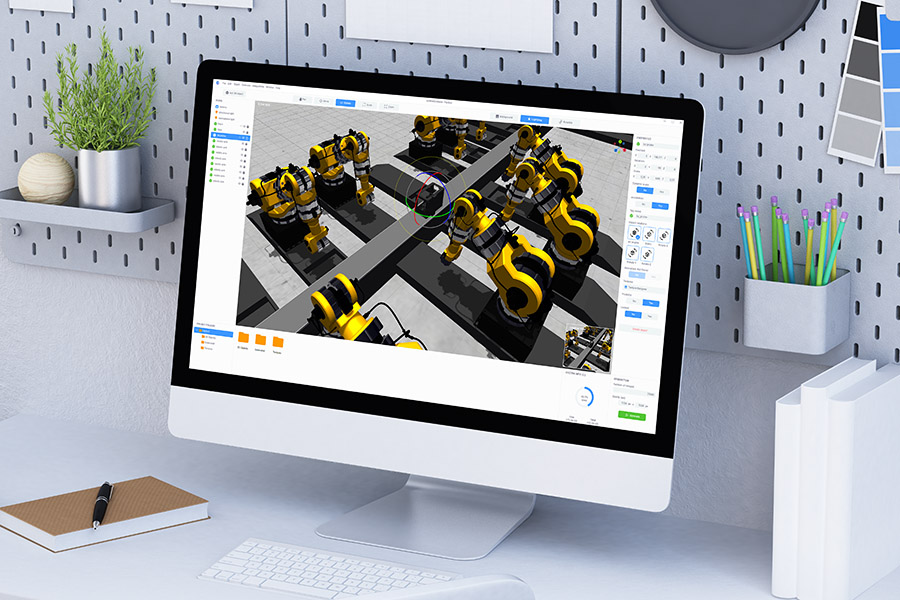
What is SyntheticAIdata?
Key features
3D model generation
Create photorealistic 3D assets and scenes for training data
Specification-based data creation
Define your data requirements and generate datasets that match your AI model's needs
Cost reduction
Eliminate expensive data collection, annotation, and labelling workflows
Scalable dataset production
Generate large volumes of training data quickly
Customisable annotations
Add labels, masks, and metadata suited to your specific use case
Pros & cons
Advantages
- Significantly reduces the time and money spent on data collection and annotation
- Produces consistent, error-free labelled data without human annotation variability
- Allows you to generate edge cases and rare scenarios that would be hard to capture in the real world
- Freemium model lets you test the service before committing budget
Limitations
- Synthetic data may not capture all the complexity and nuance of real-world data, potentially leading to model performance gaps when deployed on actual data
- Requires clear specification of your data needs upfront; vague or incomplete requirements will produce less useful datasets
Use cases
Training computer vision models for autonomous vehicles, where collecting diverse weather and traffic scenarios is costly and time-consuming
Generating training data for medical imaging AI when real patient data is limited or restricted by privacy regulations
Creating datasets for robotics and industrial automation to cover rare failure modes and edge cases
Building object detection models when certain object types or configurations are rare in the real world
Ready to try SyntheticAIdata?
Pricing
Get started with SyntheticAIdata
Click through to SyntheticAIdata and start using it now.
- Free plan available
- No credit card