
Unbabel
AI + human translation for customer support at scale
- Free
- Web, API
- WritingCustomer SupportAI Machine Translation
- Always free
- No credit card
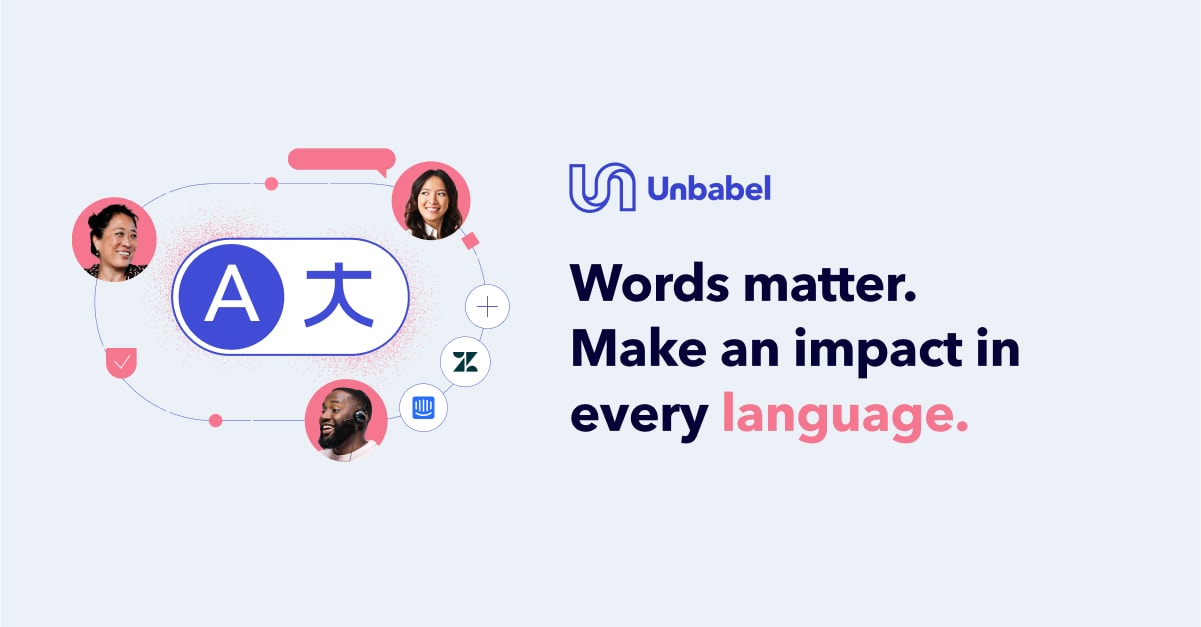
What is Unbabel?
Key features
Hybrid AI and human translation
combines automated translation with human review for quality assurance
Customer support integration
works with ticketing systems and support platforms to translate incoming messages
Language coverage
supports a broad range of languages for global customer interactions
Scalability
handles high volumes of support inquiries without proportional staff increases
Quality control
human translators refine translations to maintain consistency with brand voice and context
Pros & cons
Advantages
- Reduces need for multilingual support staff by automating initial translation work
- Human review ensures translations maintain accuracy and cultural appropriateness rather than relying solely on machine translation
- Allows support teams to respond to customers in their preferred language, improving satisfaction
- Scales efficiently as customer volume grows without requiring proportional expansion of language expertise
Limitations
- Dependency on human translators means response times may be slower than fully automated solutions
- Requires integration with existing support systems, which can involve setup and configuration work
- Quality and turnaround time may vary depending on demand for less common language pairs
Use cases
Global SaaS companies managing support tickets across multiple countries and languages
E-commerce businesses responding to international customer enquiries
Customer support teams expanding into new markets without hiring foreign language speakers
Enterprises handling high volumes of multilingual support requests efficiently
Companies seeking higher translation quality than automated tools alone provide
Ready to try Unbabel?
Pricing
Get started with Unbabel
Click through to Unbabel and start using it now.
- Always free
- No credit card