
Viz.ai
AI-powered stroke detection and care coordination
- Always free
- No credit card
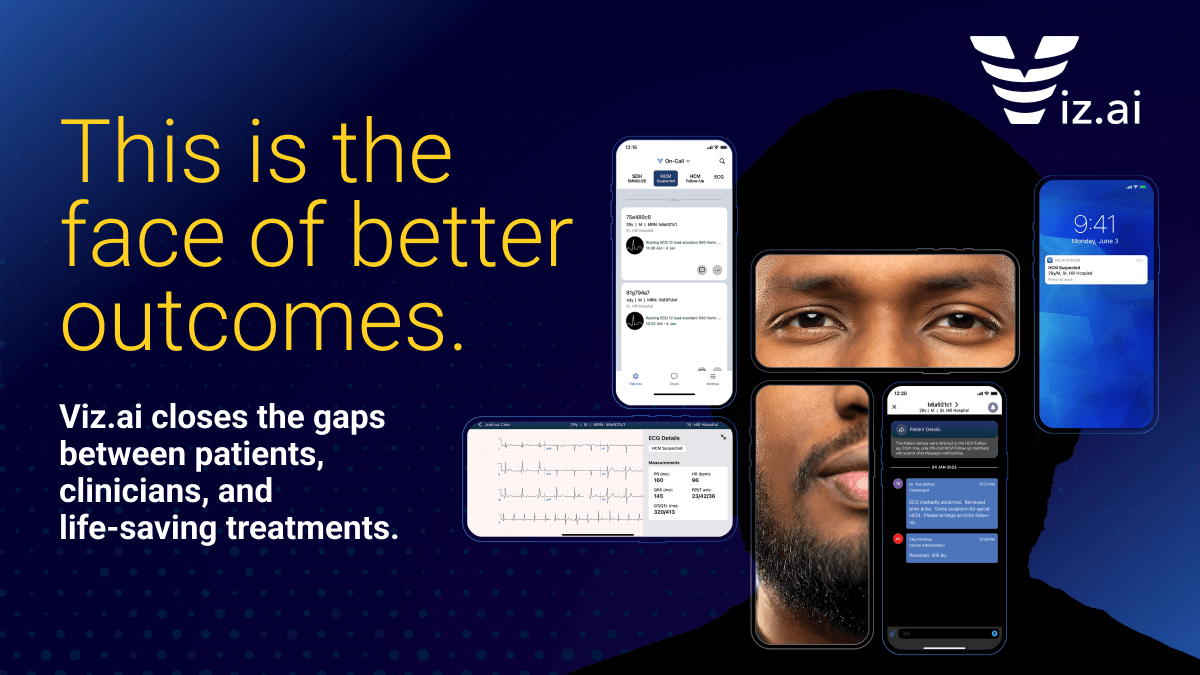
What is Viz.ai?
Key features
Automated stroke detection
AI analysis of CT imaging to identify potential stroke cases
Care coordination tools
Integrated communication features to connect relevant clinical teams
Time tracking
Monitors time from imaging to specialist review to identify bottlenecks
Hospital system integration
Works within existing electronic health record systems
Clinical alerts
Notifies appropriate staff when potential stroke cases are identified
Imaging analysis
Computer vision assessment of brain scans for ischaemic stroke indicators
Pros & cons
Advantages
- Free to use, removing financial barriers for hospitals to adopt stroke detection tools
- Addresses a genuine clinical need; faster stroke detection directly improves patient outcomes
- Integrates with existing hospital infrastructure rather than requiring separate systems
- Supports the entire care pathway, not just detection
Limitations
- Effectiveness depends on image quality and hospital integration; results may vary across different institutions
- Requires staff training and buy-in for adoption to be successful
- As an AI tool, it requires oversight; it should be used to support clinical judgement, not replace it
Use cases
Emergency departments seeking to reduce time between patient arrival and stroke specialist assessment
Hospitals wanting to improve stroke protocol compliance and consistency
Healthcare systems aiming to identify and reduce delays in their stroke care pathway
Rural or smaller hospitals with limited immediate access to specialist radiologists
Ready to try Viz.ai?
Pricing
Free
Free
Full access to stroke detection and care coordination features for eligible healthcare institutions
Get started with Viz.ai
Click through to Viz.ai and start using it now.
- Always free
- No credit card