
Viz.ai Stroke AI
AI care coordination platform for time-sensitive medical conditions
- Always free
- No credit card
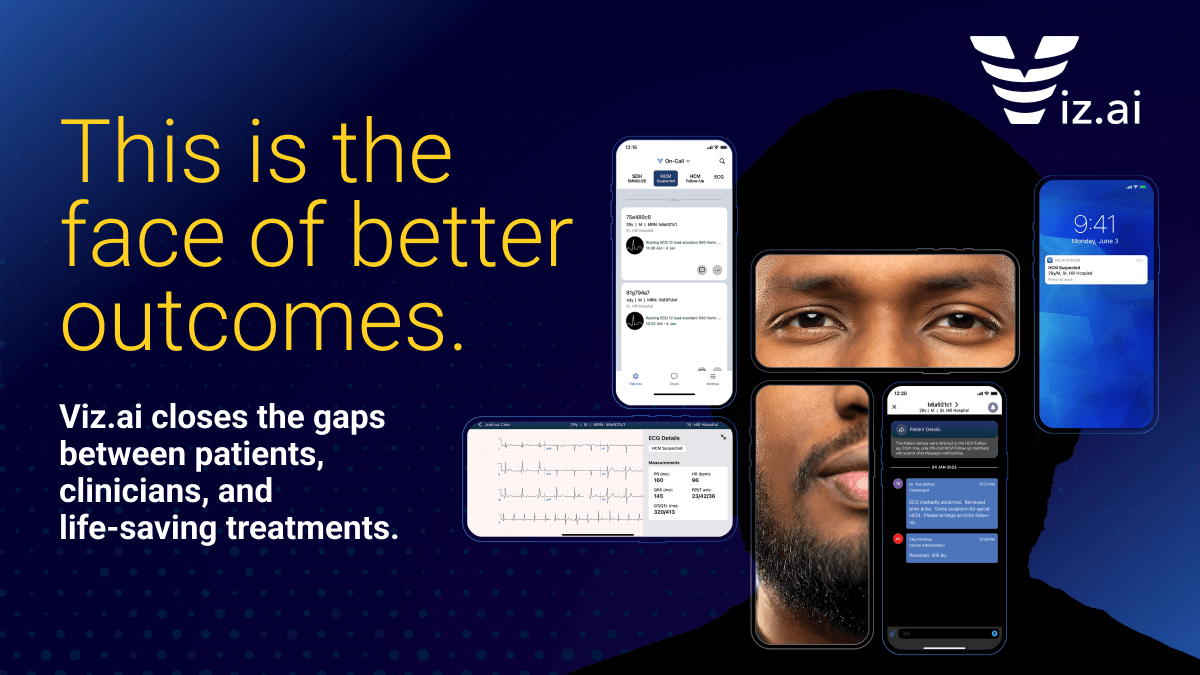
What is Viz.ai Stroke AI?
Key features
Automated imaging analysis
Processes CT and MRI scans to identify potential strokes and other critical conditions
Specialist alerts
Notifies relevant medical teams immediately when urgent cases are detected
Care pathway coordination
Organises handoffs between departments and specialists to reduce delays
Integration with EHR systems
Works within existing hospital infrastructure and patient records
Performance tracking
Provides hospitals with data on response times and outcomes to identify bottlenecks
Pros & cons
Advantages
- Free to use, removing cost barriers for hospitals considering AI implementation
- Focuses on conditions with genuinely time-critical outcomes where speed directly affects patient survival and disability rates
- Designed to work within existing systems rather than forcing hospitals to rebuild their workflows
- Can reduce door-to-treatment times, which is a key measure of stroke care quality
Limitations
- Effectiveness depends on hospital adoption and staff training; the technology is only useful if teams respond quickly to alerts
- Currently focused primarily on stroke; applicability to other time-sensitive conditions may be limited
- Requires integration with hospital IT infrastructure, which can be technically challenging in some settings
Use cases
Stroke centres using AI to identify potential candidates for thrombolysis or thrombectomy within critical time windows
Rural or smaller hospitals without specialist radiologists on-site, where AI analysis can provide initial assessment
Large hospital networks coordinating care across multiple sites and departments
Training programmes demonstrating to clinical teams how AI can improve response times
Ready to try Viz.ai Stroke AI?
Pricing
Get started with Viz.ai Stroke AI
Click through to Viz.ai Stroke AI and start using it now.
- Always free
- No credit card