
Votap
The app for real-time democracy.
- Freemium
- Web, iOS, Android
- Social Media
- Free plan available
- No credit card
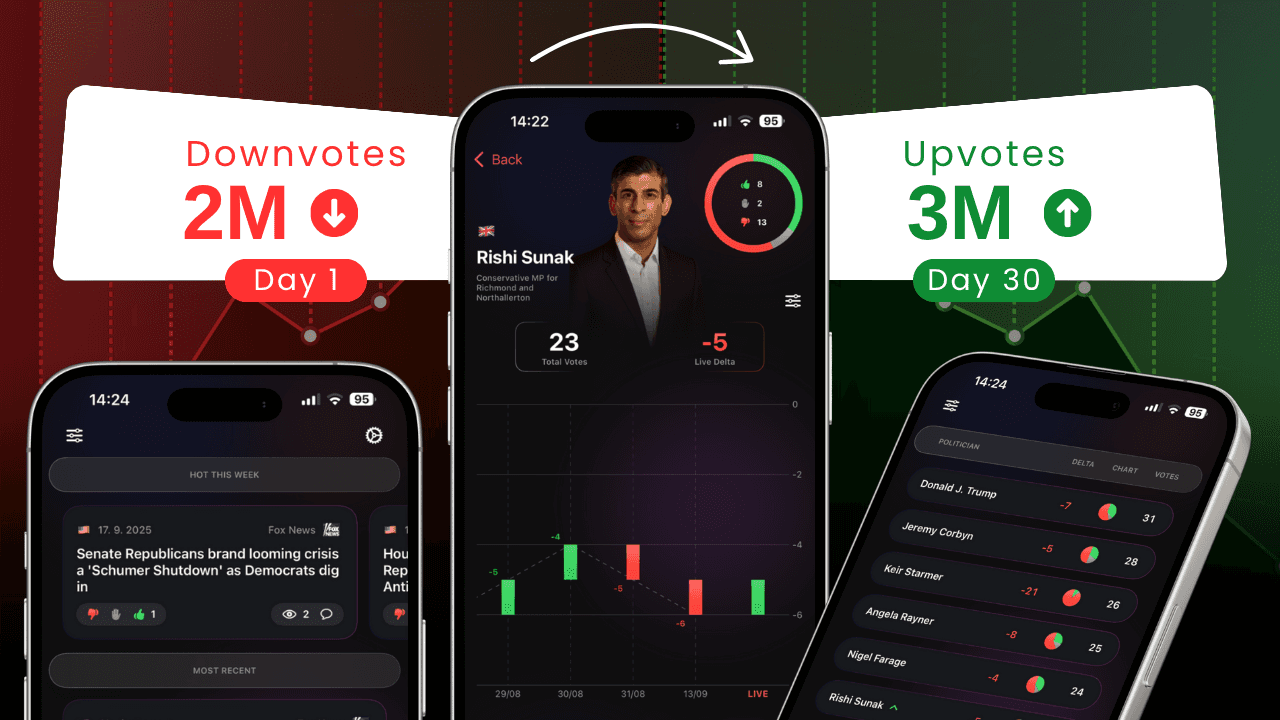
What is Votap?
Key features
Real-time vote creation and results tracking
set up a vote quickly and watch responses arrive as participants engage
Instant participation
members can vote from their mobile device or web browser without complex authentication processes
Live results display
see voting trends and final outcomes immediately without waiting for a formal closing date
Shareable vote links
distribute votes to specific groups or broadcast them more widely via link sharing
Freemium model
basic voting functionality available without payment, with premium features available for advanced use
Pros & cons
Advantages
- Quick to set up; creating a vote takes minimal time and technical skill
- Mobile-friendly; participants can vote from phones, making engagement more convenient
- Real-time transparency; all participants see results as votes arrive, promoting inclusivity
- No software installation required for basic use; works through web browser or app
Limitations
- Limited to simple binary or multiple-choice voting; unsuitable for complex deliberation or ranked-choice voting
- May lack security features needed for formal or sensitive organisational decisions
- Effectiveness depends on participant engagement; low response rates can skew results
Use cases
Team decision-making: quick team votes on meeting times, lunch venue, or project priorities
Community feedback: gathering opinions from group members on local initiatives or event planning
Event management: polling attendees on preferences for activities, catering, or scheduling
Classroom or educational settings: engaging students in quick opinion polls or feedback collection
Internal organisational polls: non-binding votes on workplace policies or cultural initiatives
Ready to try Votap?
Pricing
Free
Free
Basic voting functionality, limited number of votes per month, standard vote types, basic results display
Premium
Contact for pricing
Unlimited votes, advanced customisation options, additional vote types, detailed analytics, priority support
Get started with Votap
Click through to Votap and start using it now.
- Free plan available
- No credit card