Westlaw Precision
Westlaw Precision is Thomson Reuters' next-generation AI-powered legal research platform, combining the comprehensive Westlaw content library with advanced AI f
- Always free
- No credit card
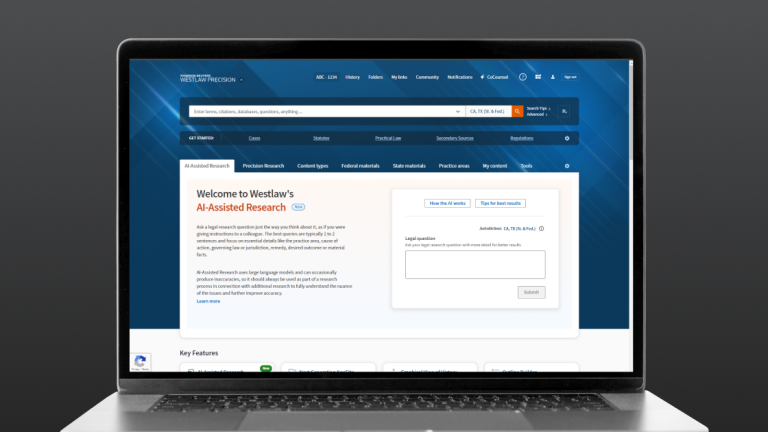
What is Westlaw Precision?
Key features
AI-assisted legal research
Natural language search that understands legal concepts and returns relevant cases and statutes
Westlaw content library access
Full database of case law, statutes, regulations, and legal commentary
Legal document analysis
AI tools to review and summarise case materials and identify key precedents
Citation management
Track and organise citations with integration into legal writing workflows
Research workflow optimisation
Suggestions for related cases and authorities based on your research direction
Pros & cons
Advantages
- Access to Thomson Reuters' authoritative and regularly updated legal content
- AI capabilities reduce time spent on routine legal research tasks
- Suitable for solo practitioners and large firms alike
- Free access removes barrier to entry for smaller practices
Limitations
- Steep learning curve for users unfamiliar with Westlaw's traditional interface and search syntax
- AI results still require lawyer review and verification; cannot replace professional legal judgment
- Free tier may have limitations on search frequency, document access, or feature availability that are not fully detailed publicly
Use cases
Locating relevant case precedents for litigation briefs and legal arguments
Researching statutory interpretation and regulatory compliance questions
Analysing multiple related cases to identify patterns and supporting authority
Drafting legal opinions with citations to relevant case law
Monitoring how existing case law applies to emerging fact patterns
Ready to try Westlaw Precision?
Pricing
Free
Free
Access to Westlaw Precision with AI-powered research capabilities; exact free tier limitations not publicly specified
Get started with Westlaw Precision
Click through to Westlaw Precision and start using it now.
- Always free
- No credit card